Truck Bearings are vital components in the performance of heavy-duty vehicles. Their role is often overlooked, yet they significantly influence reliability and safety. Understanding the various types of truck bearings can help buyers make informed decisions. Knowledge about material, design, and application is essential.
Different truck bearing types cater to varied needs. Some are designed for heavy loads, while others excel in speed and efficiency. Each type comes with unique benefits and potential drawbacks. Buyers must consider specific requirements, such as load capacity and durability.
Navigating the options can be overwhelming, especially for those new to the industry. A well-informed choice can enhance vehicle performance and extend service life. It's useful to reflect on past experiences with truck bearings. Every choice counts, and each detail matters in the long run. Making the right selection requires careful thought and a clear understanding of what to expect.
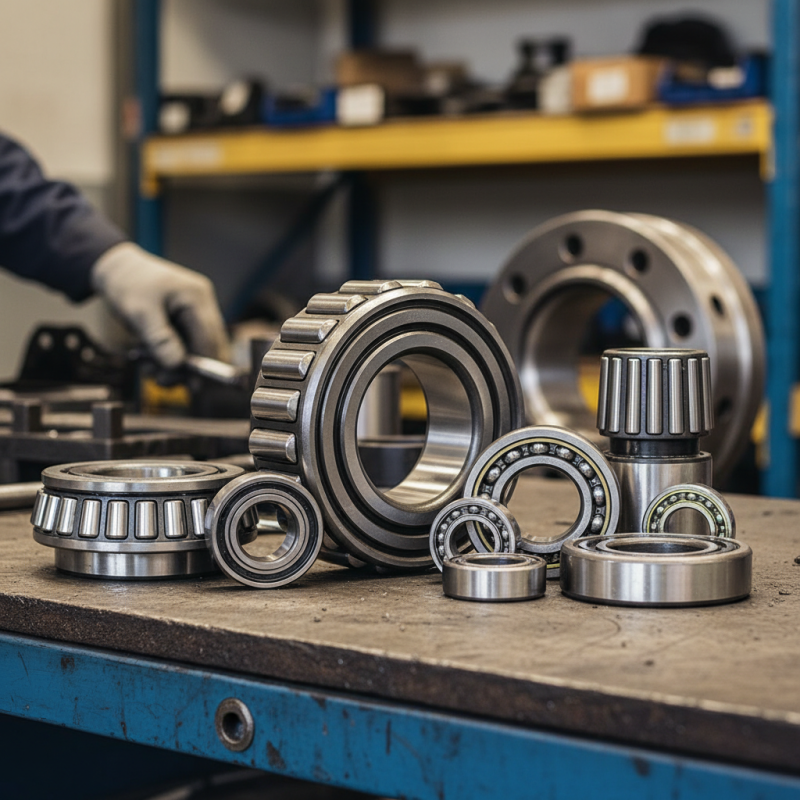
When it comes to truck bearings, understanding the different types is crucial for optimal performance. Truck bearings are essential components that help reduce friction and support wheel movement. Common varieties include ball bearings, roller bearings, and tapered roller bearings. According to industry reports, ball bearings are preferred for their versatility and ability to accommodate radial and axial loads.
Ball bearings often work well in light to medium-duty applications. In contrast, roller bearings handle heavier loads but come with reduced speed capabilities. Tapered roller bearings are ideal for supporting both radial and axial loads, making them suitable for truck axles. These distinctions are vital for truck operators when selecting the appropriate bearing type.
Tip: Always consider the load requirements and operating conditions when choosing truck bearings. An expert recommends regular inspections to spot signs of wear early. This proactive approach can prevent costly breakdowns.
Choosing the right bearing can seem daunting. Many buyers may overlook the unique needs of their trucks. Understanding these common types can save time and lead to better performance.
When it comes to truck performance, selecting the right bearings is crucial. Bearings facilitate smooth movements and reduce friction. Poor-quality bearings can lead to increased wear and tear, impacting efficiency. They can also cause significant downtime.
Understanding different bearing types helps in making informed decisions. Roller bearings are often preferred for their load distribution characteristics. Thrust bearings, on the other hand, excel in supporting axial loads. However, each type has its unique features that may or may not suit specific truck applications.
Another aspect to consider is the maintenance of bearings. Regular inspection can prevent unexpected failures. Keeping an eye on lubrication is vital. Neglecting this can lead to premature failure and costly repairs. Thus, making the right choice in bearings is not just a matter of preference but a necessity for optimal truck performance.
When purchasing truck bearings, buyers must focus on key features for optimal performance. The type of material is crucial. Steel is common, but ceramic bearings offer higher durability. A report from the American Bearing Manufacturers Association indicates that proper material selection can enhance the lifespan of bearings by up to 25%.
Load capacity is another essential feature. A bearing must withstand the weight of the truck and its cargo. Incorrect load specifications can lead to premature wear or failure. According to the Society of Tribologists and Lubrication Engineers, understanding the load ratings is fundamental for truck operations. Additionally, consider the seal type. Sealed bearings can prevent contaminants from entering, extending service life significantly.
Vibration analysis and noise level are other indicators of bearing quality. Excessive noise may signal misalignment or wear. Regular inspections can help identify these issues before they escalate. Lastly, lubrication type impacts the operation. Proper lubrication reduces friction and wear. Research shows that bearings with regular maintenance perform better over time. Each feature impacts the overall efficiency, yet many buyers overlook these aspects.
Maintaining truck bearings is crucial for optimal performance. According to industry data, proper maintenance can extend bearing life by as much as 30%. Regular inspections help identify wear and potential failures before they escalate. Keeping bearings clean and lubricated is essential. Contaminants can lead to premature failure. Studies show that improper lubrication accounts for over 30% of bearing failures in heavy-duty trucks.
One common mistake is overlooking the manufacturer's specifications for lubrication intervals. Many truck operators assume they can extend these intervals, leading to issues. It’s also vital to monitor temperature. Elevated temperatures can indicate problems. Regularly checking tolerances can prevent significant issues down the line.
Understanding the environment is key. Road conditions, load capacities, and weather can all impact bearing performance. Data indicates that bearings exposed to harsh conditions can fail up to 50% faster. Staying proactive with maintenance will help mitigate these risks. Always seek to adapt maintenance practices based on specific operating conditions for better reliability.
When selecting truck bearings, buyers often encounter a broad array of brands and models. A recent industry report indicates that the market growth for truck bearings will surpass 5% annually, driven by increased demand in logistics and transportation sectors. Understanding the specifications and performance characteristics of different bearings can significantly impact maintenance costs and overall vehicle efficiency.
Some bear notable differences. For instance, roller bearings typically offer higher load capacities compared to ball bearings. However, they may also generate more friction, potentially leading to faster wear. It’s worth noting that performance can vary widely between brands. A study found that bearings from reputable manufacturers showed a failure rate of only 2%, while lesser-known options could reach 10%. Buyers should pay close attention to these statistics when making purchasing decisions.
In addition to load capacity and durability, operating temperature is also crucial. High temperatures can accelerate degradation. In testing scenarios, certain brands managed optimal performance at temperatures over 120°C, while others faltered at even 90°C. Understanding these nuances is essential for fleet management. The alignment of your specific needs and the characteristics of each bearing ultimately plays a vital role in operational success.
„Thanks to the LUVIR technology, the solder resist process could be switched directly from the previously used mask exposure to direct exposure. As an outstanding digital solution on the market, this technology has been able to demonstrate fast process times and superior quality on our certified conventional ink in production. This allowed us to fully digitize the solder mask process at low cost – without process or ink adjustments. An excellent benefit to our production in Rot am See.“
Ralf Göhringer (Head of Production WE Rot am See)
I would definitely recommend the Limata machine and team for a future company purchase
Michael Greenaway
Compunetics Inc.
“The Limata ldi has been amazing!! Best thing we did was buy this machine”
Richard Brady
GM
Circuitlabs
“Since 2019, we have been running the Limata X1000 LDI system (including LUVIR for solder mask imaging) in daily production as an addition to our current process with film. The machine was capable of properly exposing Taiyo PSR-4000 BN (DI) solder mask types on normal to high-copper boards using a new and unique direct imaging process. The machine operating interface is very user friendly which allowed for a quick technical training curve. The pre-registration processing reduced several seconds of production time at every print. Limata support and service staff is incomparable. They supported our team every step of the way at basically any time of the day or night, with literally, an immediate response time, customizing the software interface to best fit our Operations and needs.
We have exposed more than 8,000 prints since end of October, on various solder mask colors and some resist film panels. Limata, has proven to be very capable and innovative. They are a strong contender in the industry.
We have very much enjoyed this project, and working with the team!
Thank you Limata for the continued support and being a part of our growth.”
Bill Sezate
Vice President, GM
Summit Interconnect
As a replacement to our current contact exposure process with film, the LIMATA X2000 system including LUVIR-Technology was capable of properly exposing non-LDI solder mask types using a direct imaging process. The machine offers cutting edge software with a very intuitive operating interface which allowed for quick technician training curve. The dual drawer system combined with pre-registration processing reduced several seconds of production time at every machine cycle. Limata support and service staff is world class. They added software patches to keep production running at shortest possible response times, customized the software interface to best fit our in-house Operations system, and even wrote a step-by-step machine processing manual. As a result of the project, we have exposed more than 16,000 times on various product types and solder mask brands/colors. Limata, in a very short timeframe as a company, has definitely shown they are truly innovative and will be challenging the industry of direct imaging for the top spot.
Kevin Beattie
Process Engineer
TTM Technologies
Forest Grove Division
