China’s commercial-vehicle market gives truck-engine makers a substantial base, but sales figures alone cannot identify the strongest suppliers. The China Association of Automobile Manufacturers (CAAM) reported that China sold approximately 3.87 million commercial vehicles in 2024, up 8% from 2023. This figure covers the broader commercial-vehicle market, not Truck Engines alone. That distinction matters.
Meanwhile, powertrain choices are changing. The International Energy Agency’s Global EV Outlook 2025 reports that electric-truck sales worldwide rose sharply in 2024, with China accounting for most sales. The shift adds a new measure of competitiveness, but it does not make conventional engines irrelevant. Long-haul operators still weigh torque, fuel use, service access, durability, and total ownership cost. Details on paper are not enough.
This guide examines leading Chinese manufacturers, including Weichai Power, Yuchai, FAW Jiefang, and other established suppliers. Rather than present a single definitive ranking, it considers publicly reported scale, product range, and market presence. Rankings can vary by year and by whether they measure engine output, vehicle installations, or revenue. Some company data is not directly comparable. Readers should treat the comparisons as a practical starting point, then verify specifications and service coverage for their own routes and fleet requirements.
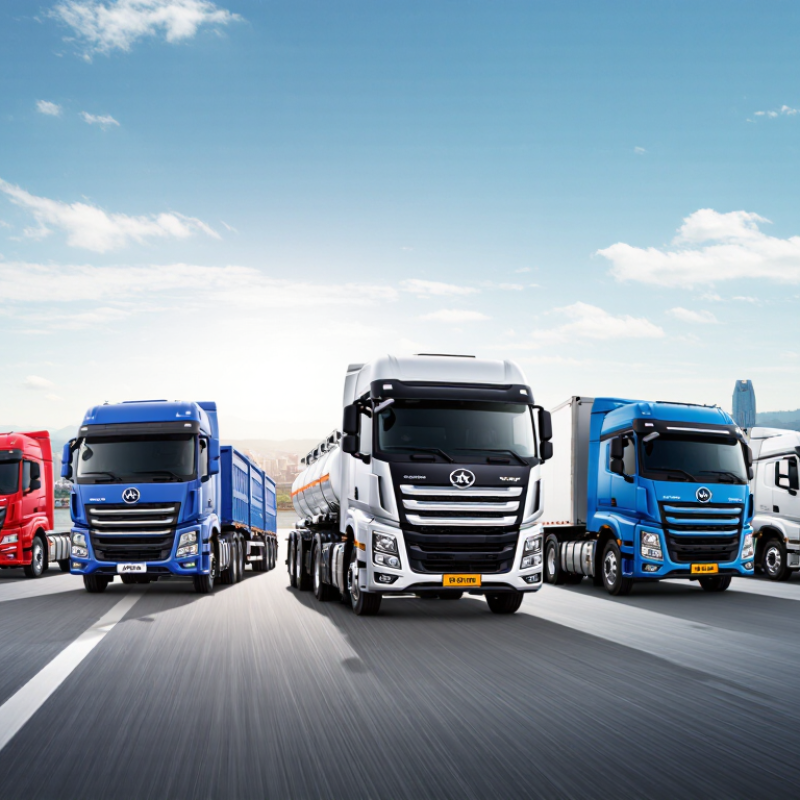
China’s truck-engine industry is not a single market with one production model. It combines large vehicle groups, independent engine makers, and specialist suppliers. Some manufacturers develop engines alongside trucks, aligning power, transmission, cooling, and electronic controls. Others focus on engines and sell to multiple vehicle assemblers. That distinction matters.
The supply chain often runs from design and casting to machining, assembly, testing, and after-sales support. A finished engine may contain parts from several regions, including fuel systems, turbochargers, and emission-control equipment. Production clusters help shorten supplier links, but they do not remove quality differences. Not every plant has the same testing depth. Buyers should compare service coverage, parts availability, and duty-cycle suitability, not just rated power.
Product lines reflect varied operating conditions. Heavy-duty engines prioritize torque and durability on long routes, while lighter engines serve urban delivery and construction fleets. Diesel remains important, alongside natural-gas options in some applications. Electrification is changing the broader powertrain landscape, though internal-combustion engines still serve many demanding routes. Specifications can look neat on paper. Real performance depends on load, terrain, maintenance, and fuel quality. A market overview should therefore distinguish manufacturing scale from proven reliability.
A leading truck engine manufacturer should be judged by how well its engines match real working conditions, not by peak power alone. Check whether published performance data explains the engine’s rated load, operating speed, and intended duty cycle. A delivery truck making frequent stops needs different strengths from a heavy vehicle climbing long grades. Ask for documented endurance testing, including sustained-load runs, cold starts, and maintenance intervals. Numbers can mislead.
Fuel consumption matters, but compare figures only when test conditions are similar. Look for clear information on emissions compliance, service requirements, and expected operating costs. A manufacturer’s quality controls also deserve scrutiny: consistent machining, traceable components, and repeatable inspection procedures can affect reliability over thousands of hours. Just as important is support after purchase. Confirm parts availability, technician training, warranty terms, and typical repair turnaround in the regions where the trucks will work. No scorecard is perfect. A polished specification sheet cannot predict every dusty road, overloaded shift, or hurried repair. Seek references from fleets with similar routes, then compare their maintenance records with the manufacturer’s claims. I would still leave room for doubt; real-world evidence is rarely as tidy as a brochure.
China’s truck-engine sector includes large commercial-vehicle groups and specialist powertrain manufacturers. Some focus on high-torque diesel engines for long-haul tractors; others serve construction, mining, and regional delivery fleets. Their capabilities can cover engine blocks, fuel systems, turbocharging, calibration, and durability testing. In a test workshop, engineers measure clearances and run engines under changing loads. Small tolerances matter on steep roads.
Manufacturers differ in displacement, torque, emissions configuration, and intended duty cycle. Buyers should compare service coverage, spare-parts access, fuel use with realistic payloads, and overhaul intervals—not just rated horsepower. Ask for test data. Check cold starts. A brochure is not field evidence. Performance can also vary with vehicle setup, maintenance, and operating conditions, so comparisons need consistent test methods.
Some Chinese producers are developing hybrid-compatible powertrains and digital diagnostics, while diesel engines remain important for demanding routes. The market is not perfectly tidy: companies may build engines, vehicles, or components across overlapping business lines. That makes supplier claims harder to compare. Review technical documents and speak with fleet operators who use similar trucks. Their reports may be imperfect, but they can reveal practical issues that a specification sheet misses.
Chinese trucks use several powertrain types, matched to payload, route length, and local operating conditions. Diesel remains common in heavy-duty work because it delivers strong low-speed torque and suits long-distance hauling. Many engines use turbocharging and intercooling to move more air into the cylinders. Electronic fuel injection helps manage combustion across changing loads. These systems can improve efficiency, but results depend on maintenance and driving conditions.
Emissions equipment is also part of modern diesel design. Selective catalytic reduction treats exhaust gases, while particulate filters capture soot. Natural-gas engines offer another option, often using spark ignition and dedicated fuel storage. Battery-electric trucks use motors rather than combustion engines, making them practical for some predictable urban routes and depot-based operations. Hybrid systems can combine an engine with electric assistance, though added components bring extra complexity.
The picture is not perfectly neat.
A technology that works well on a short city route may be less suitable for remote, heavy-haul service. Specifications alone cannot settle that question; real duty cycles and service support matter.
Chinese truck engine manufacturers compete across several practical measures: output, fuel use, durability, service access, and purchase cost. Their products range from engines for regional delivery trucks to higher-output units for heavy loads. A larger engine is not automatically the better choice. It may use more fuel when paired with a truck that rarely carries full loads.
Market comparison depends heavily on operating conditions. For long-distance fleets, fuel efficiency and reliable performance under sustained highway loads matter. For construction or mining routes, low-speed torque, cooling capacity, and resistance to dust can be more important. Buyers should compare rated power and torque, but also check maintenance intervals and parts availability near their routes. The details matter.
Manufacturers also differ in how closely engines are matched to transmissions, chassis, and vehicle electronics. More integrated systems can simplify calibration and troubleshooting, while common components may make repairs easier in remote areas. Yet specifications on paper do not reveal how an engine performs after years of uneven roads, heavy payloads, or poor-quality fuel. That gap is worth taking seriously. Independent test data and fleet records can help, although comparisons are difficult when routes and maintenance practices differ.
A practical evaluation should include total operating cost, not just the initial price. Ask for fuel-consumption figures under comparable loads, warranty conditions, and realistic service support. One weakness in many comparisons is treating laboratory results as everyday experience. They are not the same.
„Thanks to the LUVIR technology, the solder resist process could be switched directly from the previously used mask exposure to direct exposure. As an outstanding digital solution on the market, this technology has been able to demonstrate fast process times and superior quality on our certified conventional ink in production. This allowed us to fully digitize the solder mask process at low cost – without process or ink adjustments. An excellent benefit to our production in Rot am See.“
Ralf Göhringer (Head of Production WE Rot am See)
I would definitely recommend the Limata machine and team for a future company purchase
Michael Greenaway
Compunetics Inc.
“The Limata ldi has been amazing!! Best thing we did was buy this machine”
Richard Brady
GM
Circuitlabs
“Since 2019, we have been running the Limata X1000 LDI system (including LUVIR for solder mask imaging) in daily production as an addition to our current process with film. The machine was capable of properly exposing Taiyo PSR-4000 BN (DI) solder mask types on normal to high-copper boards using a new and unique direct imaging process. The machine operating interface is very user friendly which allowed for a quick technical training curve. The pre-registration processing reduced several seconds of production time at every print. Limata support and service staff is incomparable. They supported our team every step of the way at basically any time of the day or night, with literally, an immediate response time, customizing the software interface to best fit our Operations and needs.
We have exposed more than 8,000 prints since end of October, on various solder mask colors and some resist film panels. Limata, has proven to be very capable and innovative. They are a strong contender in the industry.
We have very much enjoyed this project, and working with the team!
Thank you Limata for the continued support and being a part of our growth.”
Bill Sezate
Vice President, GM
Summit Interconnect
As a replacement to our current contact exposure process with film, the LIMATA X2000 system including LUVIR-Technology was capable of properly exposing non-LDI solder mask types using a direct imaging process. The machine offers cutting edge software with a very intuitive operating interface which allowed for quick technician training curve. The dual drawer system combined with pre-registration processing reduced several seconds of production time at every machine cycle. Limata support and service staff is world class. They added software patches to keep production running at shortest possible response times, customized the software interface to best fit our in-house Operations system, and even wrote a step-by-step machine processing manual. As a result of the project, we have exposed more than 16,000 times on various product types and solder mask brands/colors. Limata, in a very short timeframe as a company, has definitely shown they are truly innovative and will be challenging the industry of direct imaging for the top spot.
Kevin Beattie
Process Engineer
TTM Technologies
Forest Grove Division
