Stainless Steel Strips have emerged as a vital component across various industries. The market for stainless steel strips is projected to witness significant growth, with a compound annual growth rate (CAGR) of around 4.5% from 2021 to 2026. This growth reflects the material's versatility and durability.
These strips are used in a wide range of applications, including automotive parts, kitchenware, and construction. The automotive sector, for instance, accounts for nearly 30% of the stainless steel demand. However, many buyers are unaware of the full potential of stainless steel strips beyond these obvious uses.
Despite their advantages, sourcing high-quality stainless steel strips can be challenging. Companies must ensure they meet specified standards and certifications. It requires experience and expertise in material selection and fabrication processes. Understanding these factors is essential for making well-informed purchasing decisions in the global marketplace.
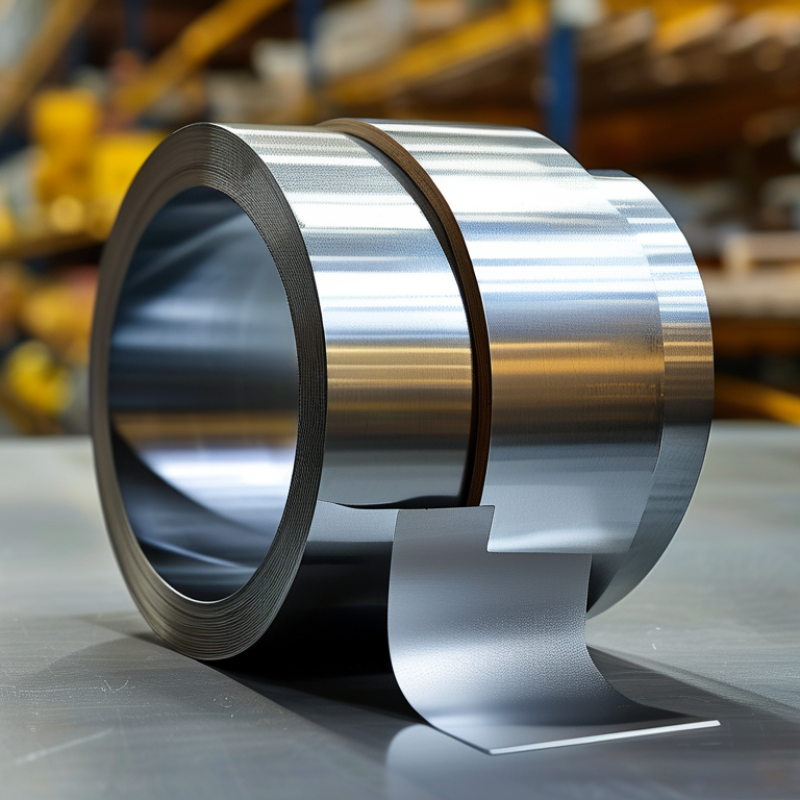
Stainless steel strips are versatile materials with numerous applications across various industries. In construction, they serve as vital components for facade cladding and structural supports. Their resistance to corrosion ensures buildings remain durable. The automotive industry also heavily relies on these strips. They are used in the production of exhaust systems and various chassis components, enhancing strength while minimizing weight.
In the electrical sector, stainless steel strips play an essential role in manufacturing electrical appliances. Their conductivity and durability make them ideal for internal components. Furthermore, in the medical field, they are used in surgical instruments and equipment. The high level of sterility and resistance to rust is crucial in these applications. Each industry presents unique challenges, emphasizing that while stainless steel has many benefits, careful consideration is necessary for selecting the right specifications and treatments for specific needs.
Stainless steel strips are essential in various manufacturing processes. Their unique properties, like corrosion resistance and strength, make them widely used in multiple industries. According to a recent market analysis, the global stainless steel strip market is expected to grow at a CAGR of 5.6% by 2027. This growth highlights their increasing importance in production.
The benefits of stainless steel strips are significant. They offer durability and can withstand harsh environmental conditions. This is crucial for industries like automotive and construction, where reliability is paramount. Additionally, stainless steel strips require minimal maintenance, which reduces long-term operational costs. A study by the International Stainless Steel Forum suggests that stainless steel's lifecycle benefits can lower costs by up to 30% in specific applications.
Use stainless steel strips where strength and hygiene matter. In food processing, their non-reactive surface prevents contamination. Also, consider variety. Different grades serve distinct needs, from automotive parts to electronic components. Choose wisely based on the specific application to maximize effectiveness. Regular reviews of material performance can uncover areas for improvement. Assessing these can lead to enhanced production techniques and better outcomes.
Stainless steel strips are making waves in the construction industry. Their unique properties—corrosion resistance and durability—make them ideal for various applications. One innovative use is as reinforcement in concrete structures. Incorporating stainless steel strips can enhance the tensile strength of concrete, providing additional support where needed.
Another application is in architectural designs, where strips can be used as design elements. Stainless steel features a sleek appearance and can be employed in facades or as supporting beams. When properly integrated, these strips not only add aesthetic value but also improve structural integrity.
For those considering stainless steel strips, here are a few thoughts. Always assess the environment before application. Different regions have varying humidity and temperature levels that could affect performance. Additionally, while stainless steel is durable, it is important to consider the costs involved and weigh them against project budgets. Regular maintenance is still necessary to maintain its appearance over time. Understanding these nuances can lead to better decision-making in construction projects.
| Use Case | Description | Advantages | Industry |
|---|---|---|---|
| Structural Supports | Used in framing, beams, and supports in various construction projects. | High strength-to-weight ratio, corrosion resistant. | Construction |
| Wall Cladding | Applied as a decorative and protective exterior surface for buildings. | Durability, aesthetic appeal, easy maintenance. | Architecture |
| Roofing Systems | Utilized in roofing materials for added protection against elements. | Long-lasting, weather-resistant, modern look. | Construction |
| Handrails and Guardrails | Incorporated in safety features on stairs, balconies, and walkways. | Robust, prevents rusting, stylish appearance. | Safety Engineering |
| Equipment Frames | Frames for various industrial and construction machinery. | Strength and resistance to heat and chemicals. | Manufacturing |
| Partitions and Screens | Used to create room divides and decorative screens. | Flexible design options, resistant to wear. | Interior Design |
| Fasteners | Stainless steel strips can be manufactured into fasteners for various purposes. | Corrosion resistance improves longevity. | Construction & Manufacturing |
| Wayfinding Signage | Durable outdoor signs to guide pedestrians and vehicles. | Weather resistant with a polished appearance. | Urban Planning |
| Acoustic Panels | Used in noise reduction applications in buildings. | Effective sound absorption and aesthetic appeal. | Construction & Architecture |
| Art Installations | Incorporated in sculptures and modern art pieces. | Unique visual characteristics, longevity. | Art & Design |
Stainless steel strips play a vital role in the automotive sector. They enhance both performance and safety. Used extensively in manufacturing various components, these strips offer strength and corrosion resistance. For instance, they are a preferred choice for structural parts. Their durability ensures that vehicles can withstand harsh conditions, ultimately leading to longer lifespans.
In recent designs, stainless steel strips are crucial for improving aerodynamics. They are used in trim and moldings, which help reduce drag. This, in turn, contributes to better fuel efficiency. However, achieving the perfect balance between weight and strength is challenging. Engineers continually face the dilemma of selecting the right thickness while maintaining performance standards.
Another area of use is in exhaust systems. Stainless steel strips provide excellent heat resistance. However, with the increasing focus on emissions, manufacturers must innovate. They need lighter materials that do not compromise on quality. While the benefits are clear, the need for continuous improvement is apparent. The automotive industry is ever-evolving, and adapting to new challenges is essential for success.
Stainless steel strips are essential materials in various industries. They offer strength and durability, making them ideal for numerous applications. However, what many do not consider is the sustainability aspect associated with stainless steel. A significant portion of stainless steel is made from recycled materials. When these metal strips reach the end of their initial use, they can be recycled into new products, reducing waste and conserving resources.
Recycling stainless steel strips is a process that requires careful handling. First, the strips must be collected and sorted. This can be challenging, as contamination can occur if other metals are mixed in. Once sorted, the stainless steel undergoes melting. This process allows manufacturers to produce high-quality stainless steel with less energy compared to creating new steel from raw materials. The recycling process also often involves the repurposing of stainless steel strips, transforming them into components for appliances, automotive parts, or even art.
Despite the benefits, there are hurdles to overcome. Some stainless steel strips might not be recycled efficiently due to local infrastructure limitations. Additionally, not all consumers are aware of the importance of recycling these materials. Raising awareness is key to improving recycling rates. Each small effort counts toward a more sustainable future, making it vital for everyone to understand and participate in these practices.
„Thanks to the LUVIR technology, the solder resist process could be switched directly from the previously used mask exposure to direct exposure. As an outstanding digital solution on the market, this technology has been able to demonstrate fast process times and superior quality on our certified conventional ink in production. This allowed us to fully digitize the solder mask process at low cost – without process or ink adjustments. An excellent benefit to our production in Rot am See.“
Ralf Göhringer (Head of Production WE Rot am See)
I would definitely recommend the Limata machine and team for a future company purchase
Michael Greenaway
Compunetics Inc.
“The Limata ldi has been amazing!! Best thing we did was buy this machine”
Richard Brady
GM
Circuitlabs
“Since 2019, we have been running the Limata X1000 LDI system (including LUVIR for solder mask imaging) in daily production as an addition to our current process with film. The machine was capable of properly exposing Taiyo PSR-4000 BN (DI) solder mask types on normal to high-copper boards using a new and unique direct imaging process. The machine operating interface is very user friendly which allowed for a quick technical training curve. The pre-registration processing reduced several seconds of production time at every print. Limata support and service staff is incomparable. They supported our team every step of the way at basically any time of the day or night, with literally, an immediate response time, customizing the software interface to best fit our Operations and needs.
We have exposed more than 8,000 prints since end of October, on various solder mask colors and some resist film panels. Limata, has proven to be very capable and innovative. They are a strong contender in the industry.
We have very much enjoyed this project, and working with the team!
Thank you Limata for the continued support and being a part of our growth.”
Bill Sezate
Vice President, GM
Summit Interconnect
As a replacement to our current contact exposure process with film, the LIMATA X2000 system including LUVIR-Technology was capable of properly exposing non-LDI solder mask types using a direct imaging process. The machine offers cutting edge software with a very intuitive operating interface which allowed for quick technician training curve. The dual drawer system combined with pre-registration processing reduced several seconds of production time at every machine cycle. Limata support and service staff is world class. They added software patches to keep production running at shortest possible response times, customized the software interface to best fit our in-house Operations system, and even wrote a step-by-step machine processing manual. As a result of the project, we have exposed more than 16,000 times on various product types and solder mask brands/colors. Limata, in a very short timeframe as a company, has definitely shown they are truly innovative and will be challenging the industry of direct imaging for the top spot.
Kevin Beattie
Process Engineer
TTM Technologies
Forest Grove Division
