In the growing field of sustainable building materials, the Wood Plastic Composite Panel stands out. This innovative product combines wood fibers with plastic, creating a durable and eco-friendly option for construction. Its rising popularity is linked to the increasing need for sustainable solutions.
Manufacturers are improving these panels for better durability and ease of use. However, there remain challenges regarding their long-term environmental impact. The balance between performance and sustainability often leads to difficult choices for builders.
Research indicates that Wood Plastic Composite Panels can effectively reduce waste in construction. They offer the aesthetic appeal of wood while requiring less maintenance. This dual benefit appeals to both architects and homeowners. Yet, will these materials hold up over time? Continued exploration and investment in this sector will be crucial for determining their future viability.
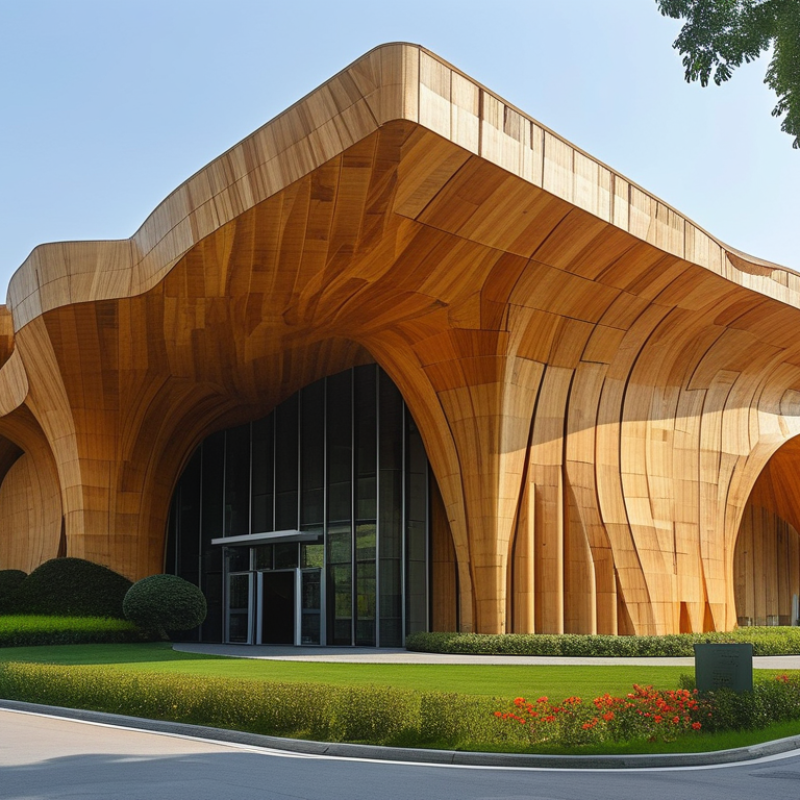
Wood Plastic Composite (WPC) panels are gaining traction in sustainable architecture. A report from the Global Alliance for Sustainable Housing reveals that WPC contributes to reducing the carbon footprint of construction projects by up to 30%. This composite material combines wood fibers with recycled plastics, creating a durable alternative to traditional materials. WPC panels resist weather, insects, and rot, offering a long lifespan and reduced maintenance costs.
Sustainable building practices often highlight the need for eco-friendly materials. According to a study by the International Journal of Sustainable Engineering, WPC panels can be produced with up to 90% recycled materials. This not only conserves natural resources but also diverts waste from landfills. Incorporating WPC into construction can lead to a significant reduction in resource depletion.
Tip: Consider the source of your WPC panels. Look for certification from reputable organizations to ensure you are choosing sustainable options. Reflecting on the lifecycle of materials is crucial. Are the benefits worth the potential environmental trade-offs?
Wood Plastic Composite (WPC) panels are gaining traction in eco-friendly construction. Their unique composition blends wood fibers with plastic, creating a durable yet sustainable material. This combination reduces the reliance on traditional timber, which helps preserve forests. WPC is an excellent alternative for decking, siding, and fencing projects.
One of the significant benefits of WPC is its resistance to moisture and pests. Unlike natural wood, WPC does not warp or splinter easily. This quality enhances safety and longevity in outdoor applications. Additionally, the manufacturing process often incorporates recycled plastics, contributing to waste reduction. However, the production of composite materials can still have an environmental impact, raising questions about its overall sustainability.
Another advantage is the minimal maintenance required. WPC surfaces do not need regular sealing or staining, saving time and resources. Yet, some may find it less appealing than the rich look of natural wood. It is essential to weigh the benefits against these aesthetic preferences. WPC panels offer a practical solution for builders committed to sustainable practices while acknowledging the ongoing debates on material choices in eco-conscious construction.
Wood plastic composite panels are gaining traction in sustainable building. They combine the aesthetics of wood with the durability of plastic. This fusion makes them an appealing choice for green projects.
There are several types of wood plastic composite panels suitable for these initiatives. For instance, exterior cladding panels resist moisture and insects. This quality extends their lifespan in demanding environments. Interior panels, on the other hand, provide great thermal insulation and reduce energy consumption. Their lightweight nature simplifies installation, which can save time and labor costs.
However, not all wood plastic composites are created equal. Some products may lack long-term durability or may not be completely recyclable. It's important to examine individual panels for certifications. Look for those that meet environmental standards. This ensures that your choice supports sustainability genuinely. Investing time in research pays off in long-term building health and environmental benefits.
Wood Plastic Composites (WPC) have become essential in sustainable building practices. Their Key Manufacturing Processes often include extrusion, injection molding, and compression molding. Each method has unique advantages that contribute to the material's overall performance.
Extrusion is a popular choice, allowing for continuous production of profiles like decking or wall panels. Reports indicate that the global WPC market is expected to reach $9.2 billion by 2025, driven by a significant rise in eco-friendly building materials. This method ensures tight control over the composition, leading to higher durability and less waste. However, challenges linger in quality control and scalability.
Injection molding offers precision and flexibility, ideal for intricate designs. It reduces material waste significantly, compared to traditional wood processing, aligning with sustainable goals. Yet, achieving consistent quality can be a struggle, particularly with varying feedstock properties.
Tips: Always assess the environmental impact of your raw materials. Look for suppliers who prioritize sustainable sourcing and production methods. Regularly review the manufacturing processes to identify areas for improvement. Being open to change can lead to better solutions.
When selecting wood plastic composite (WPC) panels for sustainable building projects, several factors need careful consideration. First, evaluate the material composition. High-quality WPC panels typically contain a significant percentage of recycled materials. This is crucial for reducing the carbon footprint of a building project. Additionally, durability must be assessed. Quality WPC panels resist moisture, insects, and warping better than traditional wood.
Another key factor is the aesthetic appeal of WPC panels. Many designs mimic natural wood, providing an attractive finish. Color and texture choices can enhance a building’s overall appearance. However, one should be aware that not all WPC panels achieve the same visual fidelity. This can impact the final look of the project. It’s wise to request samples and assess them in different lighting conditions.
Cost is also an important aspect to consider. While WPC panels may seem pricier initially, their longevity can lead to overall savings. Regular maintenance of traditional materials can add up over time. It’s essential to balance initial costs with long-term value. This is an area where mistakes can be costly. Ensuring the right choice requires thorough research and consideration of all these factors.
„Thanks to the LUVIR technology, the solder resist process could be switched directly from the previously used mask exposure to direct exposure. As an outstanding digital solution on the market, this technology has been able to demonstrate fast process times and superior quality on our certified conventional ink in production. This allowed us to fully digitize the solder mask process at low cost – without process or ink adjustments. An excellent benefit to our production in Rot am See.“
Ralf Göhringer (Head of Production WE Rot am See)
I would definitely recommend the Limata machine and team for a future company purchase
Michael Greenaway
Compunetics Inc.
“The Limata ldi has been amazing!! Best thing we did was buy this machine”
Richard Brady
GM
Circuitlabs
“Since 2019, we have been running the Limata X1000 LDI system (including LUVIR for solder mask imaging) in daily production as an addition to our current process with film. The machine was capable of properly exposing Taiyo PSR-4000 BN (DI) solder mask types on normal to high-copper boards using a new and unique direct imaging process. The machine operating interface is very user friendly which allowed for a quick technical training curve. The pre-registration processing reduced several seconds of production time at every print. Limata support and service staff is incomparable. They supported our team every step of the way at basically any time of the day or night, with literally, an immediate response time, customizing the software interface to best fit our Operations and needs.
We have exposed more than 8,000 prints since end of October, on various solder mask colors and some resist film panels. Limata, has proven to be very capable and innovative. They are a strong contender in the industry.
We have very much enjoyed this project, and working with the team!
Thank you Limata for the continued support and being a part of our growth.”
Bill Sezate
Vice President, GM
Summit Interconnect
As a replacement to our current contact exposure process with film, the LIMATA X2000 system including LUVIR-Technology was capable of properly exposing non-LDI solder mask types using a direct imaging process. The machine offers cutting edge software with a very intuitive operating interface which allowed for quick technician training curve. The dual drawer system combined with pre-registration processing reduced several seconds of production time at every machine cycle. Limata support and service staff is world class. They added software patches to keep production running at shortest possible response times, customized the software interface to best fit our in-house Operations system, and even wrote a step-by-step machine processing manual. As a result of the project, we have exposed more than 16,000 times on various product types and solder mask brands/colors. Limata, in a very short timeframe as a company, has definitely shown they are truly innovative and will be challenging the industry of direct imaging for the top spot.
Kevin Beattie
Process Engineer
TTM Technologies
Forest Grove Division
