In today's world, the importance of indoor air quality cannot be overstated. Treated Fresh Air plays a crucial role in maintaining healthy environments. With the rise of urban living and increased pollution, the air we breathe indoors often lacks essential elements.
Treated Fresh Air systems filter and condition outdoor air before circulating it inside. This process removes pollutants, allergens, and excess humidity. The result is a healthier indoor atmosphere conducive to productivity and well-being. Modern buildings prioritize energy efficiency, yet neglecting air quality can lead to significant health issues.
Moreover, people often overlook the long-term impact of stale indoor air. It can affect concentration, increase fatigue, and even worsen respiratory conditions. Investing in Treated Fresh Air systems is not just a luxury; it is a necessity. They offer a sustainable solution that improves life quality in our indoor spaces.
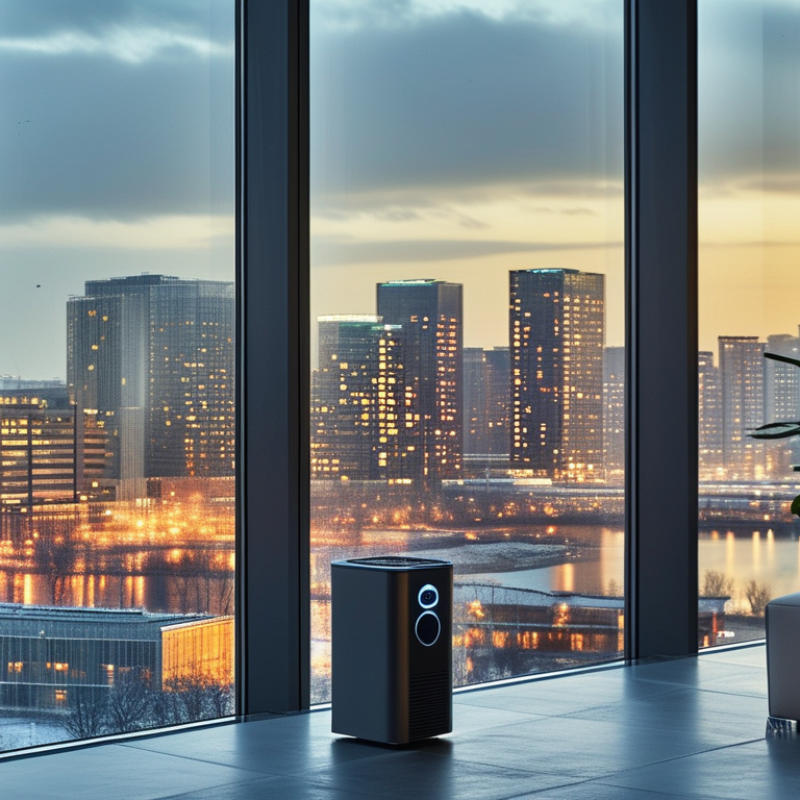
Indoor air quality is crucial in modern spaces where we spend a significant amount of time. Poor air quality can lead to health issues and decreased productivity. Sources of indoor pollutants like dust, mold, and volatile organic compounds can accumulate without proper ventilation. Employing treated fresh air solutions is vital to mitigate these risks.
To improve indoor air quality, consider these tips: use air purifiers to filter out harmful particles. Regularly change HVAC filters to ensure optimal airflow and efficiency. Incorporate plants into your space; they can naturally purify the air and enhance aesthetics.
However, awareness of indoor air quality can be challenging. Many people overlook subtle signs of poor air quality, such as persistent headaches or fatigue. It's easy to dismiss these symptoms. Regular assessments and monitoring of air quality can provide valuable insights into your environment. Understanding how air quality affects wellbeing is essential for creating healthier indoor spaces.
Treated fresh air is vital for modern indoor environments. It plays a critical role in eliminating harmful pollutants. Indoor spaces can trap allergens, dust, and volatile organic compounds (VOCs). These pollutants adversely affect health and well-being. Ensuring a supply of treated fresh air significantly improves indoor air quality.
To enhance the impact of treated fresh air, consider the following tips. Regular maintenance of air filtration systems is crucial. Filters should be checked and replaced consistently to avoid build-up. Make sure to ventilate during cooking or cleaning. This simple action allows fresh air to flow in and dilutes indoor pollutants.
Creating a healthy indoor environment also involves monitoring air quality. Indoor air can be more polluted than outdoor air. Use air quality monitors to assess levels of pollutants like carbon dioxide and particulate matter. Awareness leads to proactive changes. Over time, these adjustments can lead to a notable improvement in your living space. Stay informed and take action. Your health deserves it.
| Dimension | Data |
|---|---|
| Indoor Air Quality Index | 75 (Good) |
| Percentage of Pollutants Eliminated | 90% |
| Average CO2 Levels (ppm) | 400 |
| Allergen Reduction Rate | 80% |
| Energy Efficiency of Air Treatment Systems (%) | 85% |
| Reduction in Sick Building Syndrome Cases | 50% |
| Impact on Employee Productivity | 20% Increase |
Proper ventilation systems significantly enhance indoor air quality. They remove stale air and introduce fresh air, reducing pollutants. This process is vital for maintaining a healthy environment, especially in tightly sealed buildings. It helps minimize respiratory issues and allergies by filtering out allergens and toxins.
Moreover, treated fresh air can improve cognitive function. Studies suggest that well-ventilated spaces can increase productivity and concentration. When the air is clean and breathable, occupants often feel more relaxed and focused. However, the effectiveness of a ventilation system depends on proper installation and maintenance. Poorly designed systems can lead to uneven airflow and stagnant areas.
It’s important to regularly assess and adjust ventilation systems for optimal performance. Even small leaks or blockages can compromise air quality. In many indoor settings, people may not notice these issues until health symptoms arise. Therefore, investing in professional assessments can provide peace of mind. Indoor air quality deserves attention, given its direct impact on our well-being.
In modern indoor environments, treated fresh air is crucial for boosting comfort and well-being. Studies show that indoor air quality significantly impacts overall health. According to the World Health Organization, up to 30% of new or remodeled buildings face poor indoor air quality issues. This can lead to discomfort and decreased productivity among occupants.
Treated fresh air helps to reduce pollutants and allergens. A report by the Environmental Protection Agency indicates that indoor air can be up to five times more polluted than outdoor air. By ensuring a constant supply of clean, fresh air, facilities can enhance the comfort levels for occupants. Improved air quality often leads to better focus and fewer health complaints.
However, the challenge lies in balancing ventilation with energy efficiency. Many systems struggle to maintain optimal indoor conditions while minimizing energy consumption. Over-ventilation can waste energy, while under-ventilation can harm occupants' health. Critical evaluation of air treatment technology is necessary. Embracing innovation while being mindful of these challenges will ensure that indoor spaces remain health-promoting and energy-efficient.
Treated fresh air has become crucial in modern indoor environments, largely due to advancements in air treatment technology. According to the Global Indoor Air Quality report, poor air quality can lead to a decline in productivity by up to 15%. This highlights the importance of effective air treatment solutions that can enhance indoor air quality.
Recent innovations include high-efficiency particulate air (HEPA) filters and ultraviolet (UV) light systems. These technologies effectively eliminate airborne pathogens and pollutants. Studies reveal that air filtration can reduce indoor particulate matter by over 90%. This reduction is vital for maintaining a healthy atmosphere, especially in densely populated buildings.
Tip: Regular maintenance of air treatment systems is key. Clean filters enhance efficiency and prolong equipment life. Additionally, when measuring indoor air quality, focus on both CO2 levels and particulate matter concentration.
Yet, challenges remain. Not all air treatment solutions are equally effective across different environments. Room size, ventilation rates, and specific contaminants influence performance. It’s important for facility managers to assess these factors carefully to choose the right solutions tailored to their unique needs.
„Thanks to the LUVIR technology, the solder resist process could be switched directly from the previously used mask exposure to direct exposure. As an outstanding digital solution on the market, this technology has been able to demonstrate fast process times and superior quality on our certified conventional ink in production. This allowed us to fully digitize the solder mask process at low cost – without process or ink adjustments. An excellent benefit to our production in Rot am See.“
Ralf Göhringer (Head of Production WE Rot am See)
I would definitely recommend the Limata machine and team for a future company purchase
Michael Greenaway
Compunetics Inc.
“The Limata ldi has been amazing!! Best thing we did was buy this machine”
Richard Brady
GM
Circuitlabs
“Since 2019, we have been running the Limata X1000 LDI system (including LUVIR for solder mask imaging) in daily production as an addition to our current process with film. The machine was capable of properly exposing Taiyo PSR-4000 BN (DI) solder mask types on normal to high-copper boards using a new and unique direct imaging process. The machine operating interface is very user friendly which allowed for a quick technical training curve. The pre-registration processing reduced several seconds of production time at every print. Limata support and service staff is incomparable. They supported our team every step of the way at basically any time of the day or night, with literally, an immediate response time, customizing the software interface to best fit our Operations and needs.
We have exposed more than 8,000 prints since end of October, on various solder mask colors and some resist film panels. Limata, has proven to be very capable and innovative. They are a strong contender in the industry.
We have very much enjoyed this project, and working with the team!
Thank you Limata for the continued support and being a part of our growth.”
Bill Sezate
Vice President, GM
Summit Interconnect
As a replacement to our current contact exposure process with film, the LIMATA X2000 system including LUVIR-Technology was capable of properly exposing non-LDI solder mask types using a direct imaging process. The machine offers cutting edge software with a very intuitive operating interface which allowed for quick technician training curve. The dual drawer system combined with pre-registration processing reduced several seconds of production time at every machine cycle. Limata support and service staff is world class. They added software patches to keep production running at shortest possible response times, customized the software interface to best fit our in-house Operations system, and even wrote a step-by-step machine processing manual. As a result of the project, we have exposed more than 16,000 times on various product types and solder mask brands/colors. Limata, in a very short timeframe as a company, has definitely shown they are truly innovative and will be challenging the industry of direct imaging for the top spot.
Kevin Beattie
Process Engineer
TTM Technologies
Forest Grove Division
