Drain cleaning can often be a daunting task. However, with the right tools, it becomes manageable. The Ridgid Sewer Tool stands out among these. This tool is designed to tackle tough clogs and restore proper flow in your plumbing system.
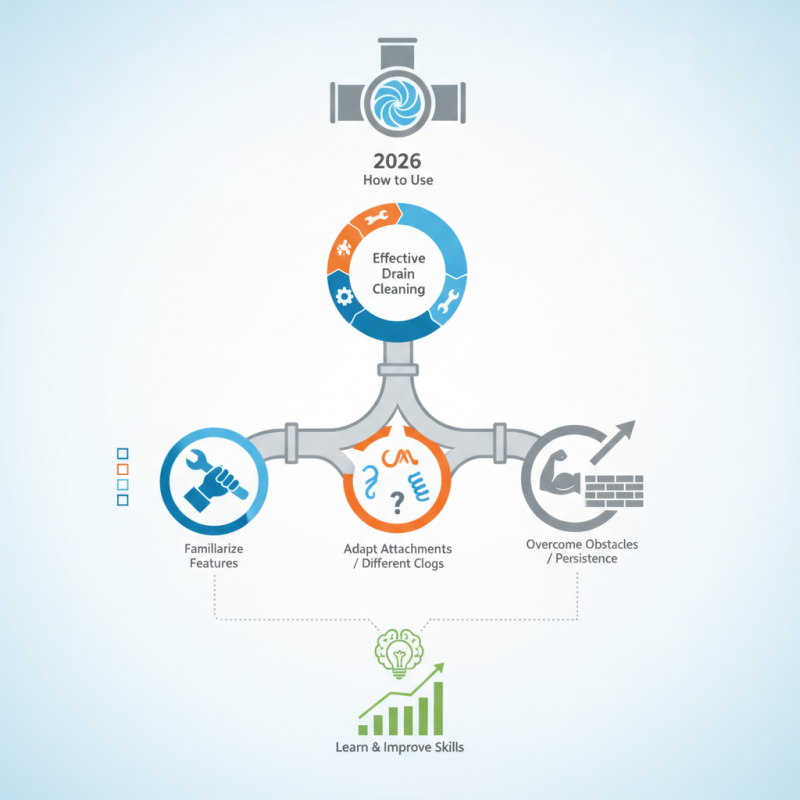
Effective use of the Ridgid Sewer Tool requires some understanding. Familiarizing yourself with its features will enhance your effectiveness. For instance, knowing how to operate its various attachments is key. This experience allows you to adapt to different types of drain issues. Not every clog responds to the same approach; flexibility is crucial.
It's important to remember that even with expert tools, challenges may arise. You might encounter stubborn blockages that require persistence. Each situation has its intricacies, and learning from these experiences builds your skills. Trial and error will be part of the journey. The Ridgid Sewer Tool can be your ally in overcoming these obstacles. Embrace the process, and you will become more adept at drain cleaning over time.
The Ridgid sewer tool is essential for effective drain cleaning. Understanding its components is crucial before using it. The tool typically comprises a powerful motor, a durable cable, and various cutting heads. The motor provides the necessary torque to navigate tough clogs. The cable can vary in length, from 25 to 100 feet. This flexibility allows users to reach deep into sewer lines.
Many professionals recommend regular maintenance checks on the tool. This can enhance performance and prolong its lifespan. A 2020 industry report noted that 70% of plumbing professionals experienced fewer breakdowns by adhering to maintenance schedules.
Tip: Always inspect the cable for wear. Frayed cables can lead to inefficient cleaning and potential accidents. Understanding how to switch out cutting heads also improves cleaning effectiveness. Different heads are designed for specific types of clogs.
It's important to practice proper technique when using this tool. Incorrect use might worsen the clog, rather than resolve it. Seeking additional training can mitigate such issues. A well-informed operator can significantly reduce common pitfalls associated with drain cleaning.
Preparing for effective drain cleaning with a specialized tool requires the right mindset and approach. Start by gathering all necessary equipment. Ensure you have gloves, safety goggles, and a sturdy work surface. Understanding the tool’s operation is crucial. Read the manual carefully. Familiarize yourself with the parts and functions. This preparation can save time and prevent errors during cleaning.
Consider the specific type of clog you're dealing with. Each clog can react differently to various techniques. Some clogs may be stubborn and require persistence. It’s essential to adjust cleaning strategies based on clog severity. Utilize various techniques, from basic snaking to more advanced approaches. Keep in mind that drain cleaning can be messy. Be prepared for some dirt and debris.
While the tool offers efficiency, don’t underestimate the value of patience. Sometimes, multiple cleaning attempts may be necessary. After completing the cleaning, assess the results. Check for lingering issues. If the problem persists, it may be a sign of a deeper issue. Reflecting on your process can improve your technique for next time.
Effective drain cleaning requires the right tools and techniques. The Ridgid sewer tool offers a reliable solution for tackling tough clogs. According to the Plumbing-Heating-Cooling Contractors Association, over 80% of plumbing issues stem from clogged drains. Understanding how to operate a sewer tool is crucial for homeowners and professionals alike.
Begin by preparing the area around the drain. Clear away debris and protect surrounding surfaces. After plugging in the tool, select the appropriate attachment based on the specific clog type. Attachments range from blades for tree roots to spirals for stubborn grease. Ensure your grip is firm and steady as you operate. Many professionals recommend using a slow, controlled motion. This practice helps prevent damaging pipes and reduces the risk of injury.
Monitoring your technique is vital. Even experienced users can slip into habits that lead to mishaps. Pay attention to changes in resistance as you work. Resistance may indicate that you are either stuck or approaching a successful breakthrough. Keeping these factors in mind can lead to a more effective cleaning experience. Remember, consistency matters, and reflecting on your method can improve outcomes significantly.
Cleaning drains can be a necessary yet daunting task. Many homeowners face clogs that disrupt their daily routines. Efficient drain cleaning techniques can save time and effort. A few common methods should be explored.
One effective technique involves using a manual auger. This tool helps break up tough blockages. Insert it into the drain and rotate it slowly. You may need to apply some force. Sometimes, the clog can be deeper than expected. In such cases, hydro jetting may be required. This method uses high-pressure water to clear stubborn debris. It’s a powerful option that can restore flow effectively.
Preventive measures can complement these techniques. Regularly cleaning your drains can reduce future clogs. Hot water or a vinegar baking soda mix can help. These simple solutions can keep drains clear between deeper cleanings. Remember, even with the best tools, issues may still arise. Reflect on your cleaning methods, and adjust as needed. Each situation is unique, so flexibility is key.
To ensure the longevity of your sewer tool, regular maintenance is key. Start by cleaning the tool after each use. Run water through the tool while it's in operation to wash away any debris. This simple step prevents buildup, which can hinder performance over time.
Check for wear and tear regularly. Inspect the cables and attachments for any signs of damage. A frayed cable can lead to reduced efficiency and potential safety hazards. Consider replacing parts that show signs of wear instead of waiting for a complete failure. Maintaining sharp blades is also crucial. Dull blades can struggle through tough clogs, causing unnecessary strain on the tool.
Lastly, store the tool in a dry, protected area. Moisture can lead to rust and deterioration. Keeping the tool clean and dry will prolong its life significantly. Reflect on your maintenance habits. Small lapses now could lead to bigger issues later. Investing time in care pays off with increased reliability and performance.
„Thanks to the LUVIR technology, the solder resist process could be switched directly from the previously used mask exposure to direct exposure. As an outstanding digital solution on the market, this technology has been able to demonstrate fast process times and superior quality on our certified conventional ink in production. This allowed us to fully digitize the solder mask process at low cost – without process or ink adjustments. An excellent benefit to our production in Rot am See.“
Ralf Göhringer (Head of Production WE Rot am See)
I would definitely recommend the Limata machine and team for a future company purchase
Michael Greenaway
Compunetics Inc.
“The Limata ldi has been amazing!! Best thing we did was buy this machine”
Richard Brady
GM
Circuitlabs
“Since 2019, we have been running the Limata X1000 LDI system (including LUVIR for solder mask imaging) in daily production as an addition to our current process with film. The machine was capable of properly exposing Taiyo PSR-4000 BN (DI) solder mask types on normal to high-copper boards using a new and unique direct imaging process. The machine operating interface is very user friendly which allowed for a quick technical training curve. The pre-registration processing reduced several seconds of production time at every print. Limata support and service staff is incomparable. They supported our team every step of the way at basically any time of the day or night, with literally, an immediate response time, customizing the software interface to best fit our Operations and needs.
We have exposed more than 8,000 prints since end of October, on various solder mask colors and some resist film panels. Limata, has proven to be very capable and innovative. They are a strong contender in the industry.
We have very much enjoyed this project, and working with the team!
Thank you Limata for the continued support and being a part of our growth.”
Bill Sezate
Vice President, GM
Summit Interconnect
As a replacement to our current contact exposure process with film, the LIMATA X2000 system including LUVIR-Technology was capable of properly exposing non-LDI solder mask types using a direct imaging process. The machine offers cutting edge software with a very intuitive operating interface which allowed for quick technician training curve. The dual drawer system combined with pre-registration processing reduced several seconds of production time at every machine cycle. Limata support and service staff is world class. They added software patches to keep production running at shortest possible response times, customized the software interface to best fit our in-house Operations system, and even wrote a step-by-step machine processing manual. As a result of the project, we have exposed more than 16,000 times on various product types and solder mask brands/colors. Limata, in a very short timeframe as a company, has definitely shown they are truly innovative and will be challenging the industry of direct imaging for the top spot.
Kevin Beattie
Process Engineer
TTM Technologies
Forest Grove Division
