A Profile Wrapping Machine covers long, narrow components with a continuous decorative or protective film. Common workpieces include wood, aluminum, and PVC profiles used for window frames, cabinet trim, flooring, and furniture. The machine guides each piece through feed rollers while film is positioned and pressed onto its surfaces. Depending on the model and material, wrapping may use pre-applied adhesive, heated adhesive, or another bonding method. The goal is a consistent finish along edges and faces. Small details matter.
A wrapped profile can resemble wood grain, carry a solid color, or gain a surface designed to resist everyday scuffs. These finishes help manufacturers offer more options without producing every profile from a different base material. Yet the machine does not guarantee a flawless result. Dust, uneven profile dimensions, incorrect film tension, or unsuitable adhesive can cause wrinkles, bubbles, or poor bonding. Operators typically check settings, inspect sample pieces, and adjust the line for each material and film combination. A practical evaluation should consider profile shape, production speed, film width, changeover time, and maintenance access. Ask suppliers for specifications and trial runs using representative workpieces. The best choice depends on the actual production mix, not only the advertised speed. That part is easy to overlook. A Profile Wrapping Machine can improve finish consistency and expand design choices, but setup and quality checks remain essential.
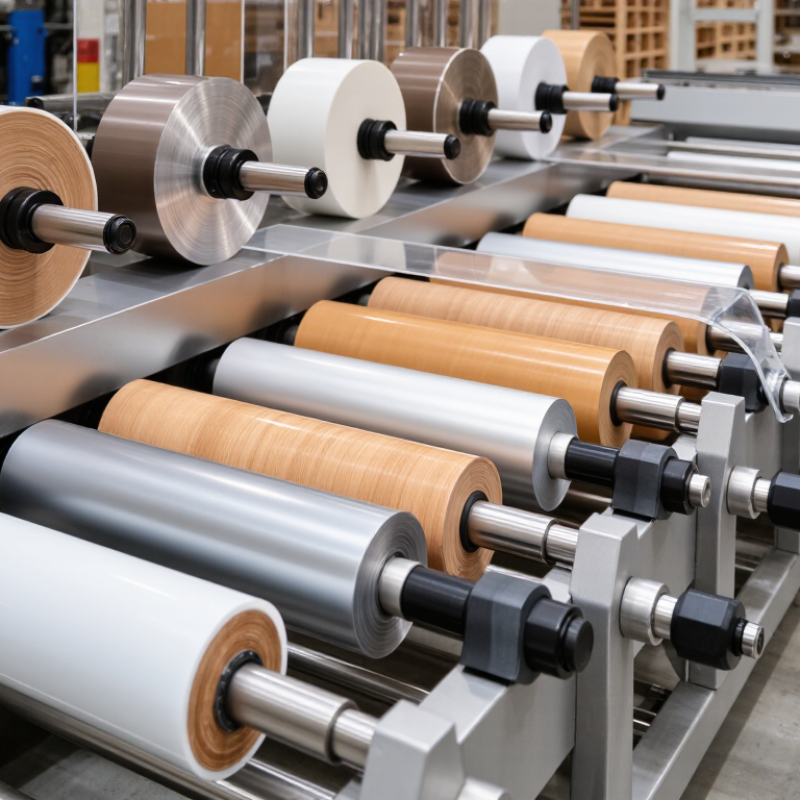
A profile wrapping machine covers long, narrow components with a continuous decorative or protective film. Typical workpieces include skirting boards, door and window trim, furniture edging, and shaped wood or plastic profiles. The machine guides each piece through rollers while adhesive bonds the film to its surface. Depending on the setup, operators may adjust feed speed, roller pressure, and temperature. Those settings matter. A small change can cause wrinkles, bubbles, or uneven edges.
The Food and Agriculture Organization’s Global Forest Products Facts and Figures 2022 reports worldwide wood-based panel production of about 400 million cubic metres that year. This figure does not measure profile wrapping, but it shows the scale of related wood-product manufacturing. In practice, wrapping equipment helps apply a consistent finish across repeated components, including grooves and curved edges. Operators still need to check film alignment, adhesive coverage, and the workpiece itself; dust or uneven profiles can spoil the result. Not quite automatic perfection. Machine capability also varies, so buyers should test their own profile and film combination before setting production targets.
A profile wrapping machine covers long, shaped components with decorative or protective film, paper, or laminate. Typical substrates include MDF, wood, and plastic trim. The operator feeds each profile through guides while rollers keep it aligned. Small misalignments matter. A slight twist can leave wrinkles or exposed edges.
The wrapping process begins with cleaning and feeding the profile, followed by adhesive application to the surface or facing material. The machine then brings the facing into contact with the profile. Forming rollers press it around flat faces, grooves, and edges; heat may soften thermoplastic film or activate adhesive. Cutting and cooling follow, then operators inspect for bubbles, lifted corners, and uneven seams. PMMI’s 2023 State of the Industry report valued U.S. packaging machinery shipments at about $10 billion in 2022; that broad figure covers many machine types, not profile wrappers alone. Sensors and controlled drives can help maintain feed speed and pressure. The International Federation of Robotics reported 162 robots per 10,000 manufacturing employees worldwide in 2023, a useful indicator of wider factory automation, not a profile-wrapping adoption rate. Still, setup remains sensitive: adhesive choice, roller pressure, and profile geometry need testing, and a first pass may not be perfect.
A profile wrapping machine covers long components with a decorative or protective surface. Common substrates include wood, MDF, aluminum, PVC, and composite profiles. The machine feeds a roll of film, paper, veneer, or laminate over the profile, pressing it into place with rollers. Adhesive, heat, or both may be used, depending on the material and machine setup.
The shapes can range from flat strips and square edges to rounded rails, grooved trim, channels, and molded profiles. Rollers guide the covering around corners and into shallow details. Deep grooves and tight curves are harder. A film may bridge a recess or wrinkle at a sharp turn, even when the setup looks correct. Results depend on the profile’s dimensions, surface condition, covering flexibility, and adhesive compatibility, so test pieces matter.
Tips: Match the covering width and flexibility to the profile. Check that edges stay bonded, especially around grooves and corners. A small trial run can reveal problems before a full production batch.
A profile wrapping machine covers long, shaped components with decorative or protective material. Typical products include skirting boards, door frames, window components, cabinet edges, and flooring trims. These parts may be made from MDF, wood, aluminum, PVC, or composite materials. The machine feeds film, paper, or veneer over the profile, while rollers press the covering around its faces and edges. The fit matters.
Furniture and cabinetry manufacturers use wrapping lines for drawer fronts, shelves, and decorative moldings. Flooring producers may wrap transition strips and matching trim. In building-material production, wrapped profiles can provide a consistent surface finish across batches, while helping shield the substrate from scuffs during handling. A small radius or uneven edge can affect how neatly the covering sits, so profile shape and material compatibility deserve testing before a full production run.
Different industries need different finishes. A wood-look film may suit interior trim, while a durable, easy-to-clean surface may be more useful for furniture components. Adhesive choice, feed speed, and roller pressure all influence the result. Not every profile behaves alike. Even a familiar shape may need adjustment when its dimensions or surface change. It is tempting to focus on machine speed, but finish quality and changeover time can matter just as much. A trial run can reveal wrinkles, lifting edges, or poor adhesion before they become repeated defects.
Benefits and Practical Operating Considerations
A profile wrapping machine covers long components with decorative or protective film. It is commonly used for wood, aluminum, or plastic profiles. Feed rollers guide each piece while pressure rollers help bond the film to its surface. Depending on the system and material, heat or adhesive may also be involved. The result can be a more consistent finish than hand application, with fewer exposed surfaces vulnerable to scuffs during handling. Small errors show.
Reliable results depend on matching the setup to the profile. Check the profile dimensions, film width, roller pressure, and feed speed before production. Dust, oil, or moisture can interfere with adhesion, especially around edges and corners. Run a test piece and inspect its full length, not just the visible face. A neat first pass can still hide weak adhesion at corners. Operators should keep hands clear of moving rollers and use the machine’s fitted guards.
Tips: Keep the film roll aligned and check tension as it unwinds. If wrinkles appear, pause and inspect the feed path before changing several settings at once. Record settings that work, but recheck them when the profile or film changes.
„Thanks to the LUVIR technology, the solder resist process could be switched directly from the previously used mask exposure to direct exposure. As an outstanding digital solution on the market, this technology has been able to demonstrate fast process times and superior quality on our certified conventional ink in production. This allowed us to fully digitize the solder mask process at low cost – without process or ink adjustments. An excellent benefit to our production in Rot am See.“
Ralf Göhringer (Head of Production WE Rot am See)
I would definitely recommend the Limata machine and team for a future company purchase
Michael Greenaway
Compunetics Inc.
“The Limata ldi has been amazing!! Best thing we did was buy this machine”
Richard Brady
GM
Circuitlabs
“Since 2019, we have been running the Limata X1000 LDI system (including LUVIR for solder mask imaging) in daily production as an addition to our current process with film. The machine was capable of properly exposing Taiyo PSR-4000 BN (DI) solder mask types on normal to high-copper boards using a new and unique direct imaging process. The machine operating interface is very user friendly which allowed for a quick technical training curve. The pre-registration processing reduced several seconds of production time at every print. Limata support and service staff is incomparable. They supported our team every step of the way at basically any time of the day or night, with literally, an immediate response time, customizing the software interface to best fit our Operations and needs.
We have exposed more than 8,000 prints since end of October, on various solder mask colors and some resist film panels. Limata, has proven to be very capable and innovative. They are a strong contender in the industry.
We have very much enjoyed this project, and working with the team!
Thank you Limata for the continued support and being a part of our growth.”
Bill Sezate
Vice President, GM
Summit Interconnect
As a replacement to our current contact exposure process with film, the LIMATA X2000 system including LUVIR-Technology was capable of properly exposing non-LDI solder mask types using a direct imaging process. The machine offers cutting edge software with a very intuitive operating interface which allowed for quick technician training curve. The dual drawer system combined with pre-registration processing reduced several seconds of production time at every machine cycle. Limata support and service staff is world class. They added software patches to keep production running at shortest possible response times, customized the software interface to best fit our in-house Operations system, and even wrote a step-by-step machine processing manual. As a result of the project, we have exposed more than 16,000 times on various product types and solder mask brands/colors. Limata, in a very short timeframe as a company, has definitely shown they are truly innovative and will be challenging the industry of direct imaging for the top spot.
Kevin Beattie
Process Engineer
TTM Technologies
Forest Grove Division
