Cold starts can turn a dependable workday into a slow, costly one. In diesel systems, low temperatures can encourage wax crystals to form, restricting fuel flow through filters and lines. The National Renewable Energy Laboratory’s Biodiesel Handling and Use Guide identifies fuel blend and cloud point as important cold-weather considerations. ASTM D975 also sets specifications for diesel fuel, but operating conditions and seasonal fuel grades still matter. These details help explain why a Fass Fuel Heater may be worth considering for equipment exposed to freezing temperatures. That’s the practical case.
A heater can help keep fuel moving, but it is not a cure-all. Its value depends on the fuel system, electrical capacity, installation, and the conditions where the equipment works. Cummins’ cold-weather operating guidance likewise emphasizes using suitable fuel and following equipment-specific procedures. Owners should check heater compatibility, power draw, mounting location, and manufacturer recommendations before choosing a model. Small details matter. A heater that warms fuel effectively in one setup may not suit another machine or duty cycle. This is easy to overlook. A Fass Fuel Heater should therefore be judged by how it fits the complete fuel system, not by promises of effortless starts. The following discussion looks at its potential benefits, practical selection factors, and limitations, so equipment owners can make a better-informed decision.
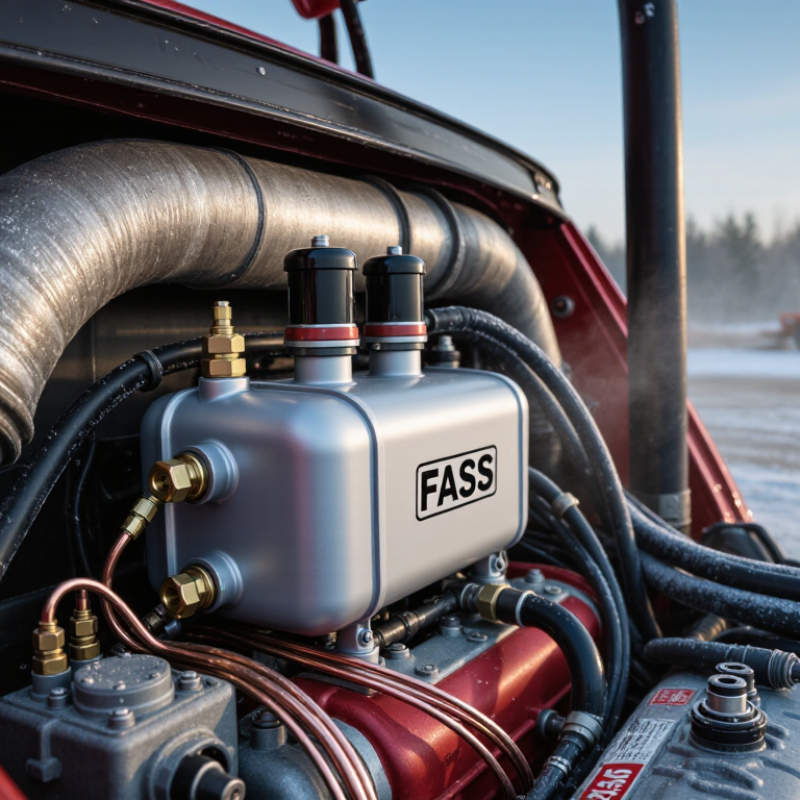
A diesel fuel heater is a component that warms fuel before it reaches the engine. Depending on the design, it may heat fuel near the filter or within a fuel-filter assembly. In cold weather, diesel can become more viscous, and wax crystals may restrict flow through a filter. A heater helps reduce that risk by keeping fuel warmer around a critical part of the system. Small details matter: a slow crank on a frosty morning may have more than one cause.
Some heaters operate only under certain temperature conditions, while others rely on the equipment’s electrical system. Their purpose is to support fuel delivery, not to replace a sound battery, clean filter, or suitable winter fuel. That distinction is easy to overlook. Check the heater’s specifications and wiring requirements for the machine, and inspect connections for corrosion or damage. A heater is not a cure-all. In severe cold, performance still depends on maintenance, fuel condition, and the equipment’s overall setup.
Diesel does not turn cloudy at one universal temperature. Its cloud point is the temperature where wax crystals first become visible as fuel cools. The exact point varies with crude source, refining, and the fuel blend. Seasonal grades are adjusted for colder conditions, but their performance still differs by supplier and region.
Small crystals matter. They can collect on a filter screen and restrict fuel flow before the fuel becomes fully gelled. A machine may then crank slowly, lose power, or stop after sitting outside overnight. A fuel heater can add heat near a vulnerable area, helping reduce wax buildup around components.
It cannot change the fuel’s cloud point or replace suitable winter-grade fuel. Check the equipment manual for an approved heater type, location, and electrical requirements.
Conditions vary. A forecast low is not the whole story: wind, exposed lines, a cold tank, and long idle periods all affect fuel temperature. Keep records of the fuel used and temperatures when problems occur; patterns can help identify whether waxing is likely.
It is easy to assume the heater alone will solve every cold-start issue. That assumption deserves a second look. Water, a clogged filter, or a weak battery can produce similar symptoms. Regular inspection still matters.
ASTM D6371 measures the cold filter plugging point, or CFPP, of diesel fuel. In the test, a sample is cooled under controlled conditions and drawn through a standard filter. The reported temperature indicates when flow becomes restricted. Lower CFPP generally means the fuel remains filterable at colder temperatures, but it does not measure heater output.
For a practical assessment, record the fuel’s CFPP alongside heater inlet and outlet temperatures during cold operation. Keep the fuel batch, ambient temperature, sampling point, and test procedure consistent when comparing results. A heater may warm fuel near the filter, helping reduce cold-related flow problems. The CFPP result alone cannot prove that effect.
That distinction matters.
Real conditions vary. Wax formation, filter condition, fuel blend, and installation can all affect performance. I would avoid claiming a specific CFPP improvement without paired laboratory results and field measurements.
One test is not conclusive. Note the cold-start conditions, any filter restriction, and how quickly fuel temperature rises. These details make the data more useful, even when the first result is less tidy than expected.
Heater capacity should follow actual fuel flow, not just engine size. A compact loader idling at low demand needs less heat than a generator working near full load. Check the engine’s fuel-consumption data at typical and peak loads, then size the heater for the highest sustained flow. Leave a modest margin, but avoid choosing a unit so large that it draws unnecessary electrical power.
Cold fuel behaves differently. The National Renewable Energy Laboratory’s Biodiesel Handling and Use Guide, fifth edition (2016), notes that cold-flow properties vary with fuel composition and blend. That makes local winter conditions and the fuel supplier’s specifications important. A heater that works well with one fuel may not prevent filter restriction with another. Small detail. Check the filter area, fuel line length, and expected startup temperature before selecting heat output.
Voltage matters just as much as capacity. Match the heater’s rated voltage to the machine’s electrical system, and verify that the circuit can support its current draw alongside other loads. The U.S. Environmental Protection Agency’s NONROAD model estimates equipment fuel use by engine and operating conditions, reinforcing why real workload matters more than a broad equipment label. One easy mistake is sizing from peak engine horsepower alone. It is a useful reference, but not the whole picture. The final choice should reflect measured fuel demand, cold-start conditions, and available electrical capacity.
Match heater capacity to fuel flow, voltage, and engine demand.
Fuel-demand figures are planning estimates for engines at full load, calculated at 0.22 L/kWh; actual consumption varies with engine design and operating conditions. Select a heater rated for the fuel flow required by your specific fuel system, and verify that its electrical voltage matches the equipment’s 12 V or 24 V system.
Why Choose a Fass Fuel Heater for Your Equipment?
A fuel heater can help equipment maintain flow during cold starts, but installation cannot replace fuel-quality checks. ASTM D975 defines diesel grades and test limits; it does not guarantee that fuel will remain wax-free at every site temperature. The National Renewable Energy Laboratory’s Biodiesel Handling and Use Guide reports that B20 may raise cloud point by roughly 2–10°F, depending on the biodiesel feedstock and base fuel. That range matters when a machine sits overnight beside a frosted tank. A heater addresses temperature-related flow problems, not water, sediment, or off-spec fuel.
Before installation, confirm the fuel grade and cold-weather requirements with the equipment manual and supplier. Use fuel-rated connections, protect wiring from vibration, and check that the heater’s electrical demand suits the machine. Keep the unit accessible for inspection. A tidy installation is not automatically a reliable one. After installation, inspect fittings for seepage and wiring for chafing; check filters for restriction and drain accumulated water according to the equipment schedule. Record fuel source, ambient temperature, and cold-start behavior. These notes can help distinguish a heater issue from fuel or filter trouble.
Tips: Verify the fuel’s cloud point, not just its grade. Inspect connections after the first operating cycle. If flow problems persist, test the fuel before increasing heater output.
„Thanks to the LUVIR technology, the solder resist process could be switched directly from the previously used mask exposure to direct exposure. As an outstanding digital solution on the market, this technology has been able to demonstrate fast process times and superior quality on our certified conventional ink in production. This allowed us to fully digitize the solder mask process at low cost – without process or ink adjustments. An excellent benefit to our production in Rot am See.“
Ralf Göhringer (Head of Production WE Rot am See)
I would definitely recommend the Limata machine and team for a future company purchase
Michael Greenaway
Compunetics Inc.
“The Limata ldi has been amazing!! Best thing we did was buy this machine”
Richard Brady
GM
Circuitlabs
“Since 2019, we have been running the Limata X1000 LDI system (including LUVIR for solder mask imaging) in daily production as an addition to our current process with film. The machine was capable of properly exposing Taiyo PSR-4000 BN (DI) solder mask types on normal to high-copper boards using a new and unique direct imaging process. The machine operating interface is very user friendly which allowed for a quick technical training curve. The pre-registration processing reduced several seconds of production time at every print. Limata support and service staff is incomparable. They supported our team every step of the way at basically any time of the day or night, with literally, an immediate response time, customizing the software interface to best fit our Operations and needs.
We have exposed more than 8,000 prints since end of October, on various solder mask colors and some resist film panels. Limata, has proven to be very capable and innovative. They are a strong contender in the industry.
We have very much enjoyed this project, and working with the team!
Thank you Limata for the continued support and being a part of our growth.”
Bill Sezate
Vice President, GM
Summit Interconnect
As a replacement to our current contact exposure process with film, the LIMATA X2000 system including LUVIR-Technology was capable of properly exposing non-LDI solder mask types using a direct imaging process. The machine offers cutting edge software with a very intuitive operating interface which allowed for quick technician training curve. The dual drawer system combined with pre-registration processing reduced several seconds of production time at every machine cycle. Limata support and service staff is world class. They added software patches to keep production running at shortest possible response times, customized the software interface to best fit our in-house Operations system, and even wrote a step-by-step machine processing manual. As a result of the project, we have exposed more than 16,000 times on various product types and solder mask brands/colors. Limata, in a very short timeframe as a company, has definitely shown they are truly innovative and will be challenging the industry of direct imaging for the top spot.
Kevin Beattie
Process Engineer
TTM Technologies
Forest Grove Division