A warehouse must do more than hold inventory. It needs to keep products visible, accessible, and protected as daily order volumes change. The Achieve Shelving System is designed to help businesses use vertical space while keeping picking routes clear. That can mean fewer blocked aisles, easier stock checks, and better use of the floor area already available. Small details matter: shelf depth, beam height, load labels, and the space left for a pallet truck to turn.
The right configuration depends on the goods, equipment, and work patterns inside each facility. A shelving plan that suits cartons may not suit long, heavy, or irregular items. As an illustrative line for a verified Achieve Shelving System specialist to review, warehouse-storage expert “Alex Morgan” might say, “A useful shelving system fits the way stock moves, not just the shape of the building.” This is proposed wording, not a verified quotation. Confirm any named attribution before publication.
This article explores why the Achieve Shelving System may suit warehouse operations, from storage capacity and access to installation planning and future changes. It also considers practical limits. Shelving alone cannot fix poor inventory records or crowded workflows. That distinction is easy to overlook. A careful assessment of product dimensions, handling equipment, and aisle needs can help teams decide whether the system fits their site—and where the plan may need adjustment.
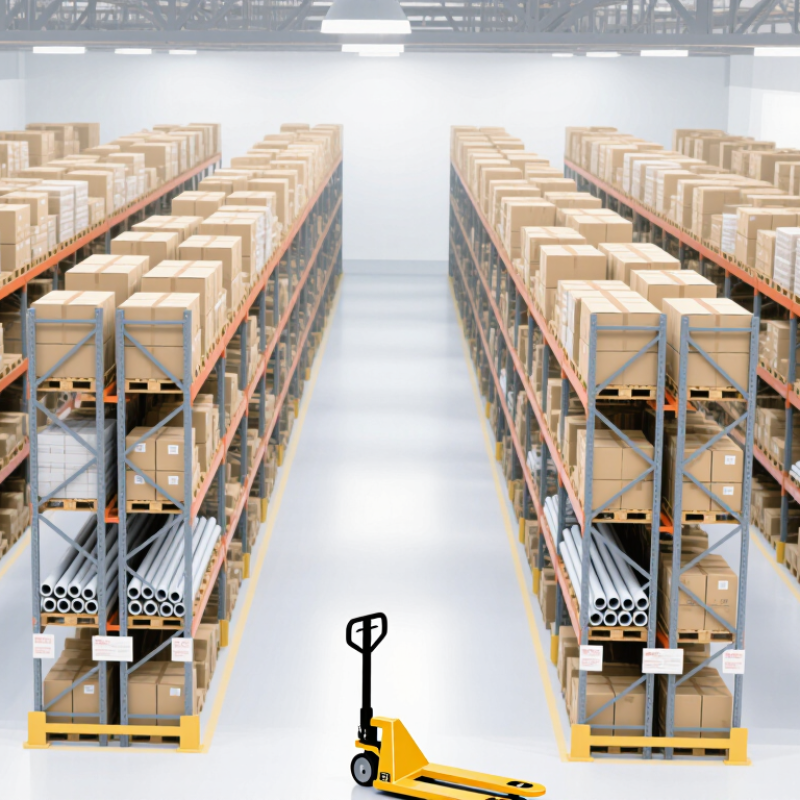
A modular shelving system consists of upright frames, horizontal beams, and shelf decks arranged to hold inventory. The frames carry the load, while beams support each level and decks create a stable surface.
Workers can place cartons, bins, or small parts on accessible shelves. Simple in principle. Shelf height may be adjustable, depending on the system, to fit different product sizes.
This can make better use of vertical space and keep frequently picked goods within reach. Clear location labels also help staff return items to consistent bays.
In daily use, incoming goods are assigned shelf locations, with heavier items generally stored on lower levels. Staff retrieve orders by aisle and bay, then return stock to its marked position.
Labels and regular checks can reveal misplaced products, loose connections, or overloaded shelves. Small details matter. Confirm load capacity from the system specifications and actual loading conditions, rather than judging by appearance.
Aisle width, floor condition, and handling equipment also affect how the shelving works.
One trade-off is worth considering: adjustable shelves offer flexibility, but frequent changes can disrupt picking routines.
Review the layout as stock and work patterns shift.
A warehouse shelving system depends on more than upright frames and horizontal beams. Frames carry the load, while beams connect them and set each storage level. Bracing helps keep frames stable; floor anchors and column guards address movement and impact risks. Wire decking or solid shelves can support cartons that do not sit safely on beams. Check load labels against the actual goods, including pallet weight and dimensions. Small details matter.
Storage configuration should match how inventory moves. Selective pallet racks give direct access to each pallet, useful when many product types turn over at different rates. Double-deep layouts store more pallets per aisle, but require suitable equipment and reduce access to some loads. Drive-in racks can suit larger quantities of fewer items; carton-flow shelving helps small packages move forward for picking. There is no perfect layout. A narrower aisle may look efficient on a plan, yet slow work if forklifts cannot maneuver comfortably. Measure pallet overhang, ceiling clearance, sprinkler space, and picking routes before settling on a design. Recheck the arrangement as stock changes; a layout that worked last year may now create awkward reaches or blocked access. That is easy to overlook.
A well-planned shelving system helps warehouse teams move goods with fewer delays. Adjustable shelf levels can accommodate cartons, bins, and changing product sizes. Clear location labels make it easier to find items during picking and replenishment. Small details matter. A picker should be able to read a label without shifting nearby stock. Keep frequently selected products near packing areas, while slower-moving items can use less accessible spaces. This can reduce unnecessary walking, though the best layout depends on order patterns and equipment.
Shelving also supports safer, more consistent daily work. Open access can improve visibility, and orderly storage helps staff spot misplaced cartons or damaged packaging. Before loading shelves, confirm that each unit’s rated capacity suits the stored goods and the way they are handled. Leave practical clearance for forklifts and pedestrian routes. Warehouse needs change, so review shelf positions when inventory or picking methods shift. It is easy to overlook that step. Inspections can reveal loose connections, bent components, or labels that no longer match stock locations. Not every layout works perfectly at first; staff feedback can uncover awkward reaches and congested aisles that plans missed.
A well-planned shelving system can turn vertical space into usable storage without making every aisle feel cramped. Adjustable shelf levels help teams fit cartons, bins, and small parts to their actual dimensions. This can reduce awkward gaps and keep frequently used items within comfortable reach. Measure ceiling height, load requirements, and aisle widths before settling on a layout. A tall rack is only useful when staff can access it safely. Small details matter.
Tips: Keep fast-moving stock around waist-to-eye level and label shelves clearly. Leave room for carts to turn. Walk one aisle during a busy shift; pinch points often show up then.
Clear locations also support inventory control. When each product has a consistent, visible home, staff can spot low quantities, misplaced cartons, or duplicate stock during routine checks. Simple location labels and an up-to-date item list make counts easier to repeat. Still, shelving cannot correct inaccurate records by itself. Damaged labels, changing product sizes, or rushed put-away can undo a tidy setup. A brief monthly review can reveal what no longer fits the workflow, even if the original layout looked right.
Choosing a warehouse shelving configuration begins with the items you actually store. Measure product dimensions, packaging, and typical load weight, then check how these vary across the year. A shelf designed around average cartons may struggle with the largest cases. That small mismatch matters. Consider inventory turnover, too: fast-moving products need accessible locations, while slower stock can sit higher or farther from picking zones.
Match the layout to your handling equipment and daily routes. Measure forklift turning space, aisle widths, ceiling height, sprinkler clearance, and the distance workers travel between storage and packing areas. Keep required load ratings visible, and confirm that the floor and shelving are suitable for expected loads with a qualified professional.
Leave room for replenishment and safe access; tightly packed aisles can slow work and increase collision risk. A neat floor plan can still be wrong once real pallets arrive. Test a proposed layout with sample loads, and revisit it after staff use the system.
Future growth matters, but planning for endless expansion can waste valuable floor space. Choose a configuration that fits current operations while allowing practical adjustments.
„Thanks to the LUVIR technology, the solder resist process could be switched directly from the previously used mask exposure to direct exposure. As an outstanding digital solution on the market, this technology has been able to demonstrate fast process times and superior quality on our certified conventional ink in production. This allowed us to fully digitize the solder mask process at low cost – without process or ink adjustments. An excellent benefit to our production in Rot am See.“
Ralf Göhringer (Head of Production WE Rot am See)
I would definitely recommend the Limata machine and team for a future company purchase
Michael Greenaway
Compunetics Inc.
“The Limata ldi has been amazing!! Best thing we did was buy this machine”
Richard Brady
GM
Circuitlabs
“Since 2019, we have been running the Limata X1000 LDI system (including LUVIR for solder mask imaging) in daily production as an addition to our current process with film. The machine was capable of properly exposing Taiyo PSR-4000 BN (DI) solder mask types on normal to high-copper boards using a new and unique direct imaging process. The machine operating interface is very user friendly which allowed for a quick technical training curve. The pre-registration processing reduced several seconds of production time at every print. Limata support and service staff is incomparable. They supported our team every step of the way at basically any time of the day or night, with literally, an immediate response time, customizing the software interface to best fit our Operations and needs.
We have exposed more than 8,000 prints since end of October, on various solder mask colors and some resist film panels. Limata, has proven to be very capable and innovative. They are a strong contender in the industry.
We have very much enjoyed this project, and working with the team!
Thank you Limata for the continued support and being a part of our growth.”
Bill Sezate
Vice President, GM
Summit Interconnect
As a replacement to our current contact exposure process with film, the LIMATA X2000 system including LUVIR-Technology was capable of properly exposing non-LDI solder mask types using a direct imaging process. The machine offers cutting edge software with a very intuitive operating interface which allowed for quick technician training curve. The dual drawer system combined with pre-registration processing reduced several seconds of production time at every machine cycle. Limata support and service staff is world class. They added software patches to keep production running at shortest possible response times, customized the software interface to best fit our in-house Operations system, and even wrote a step-by-step machine processing manual. As a result of the project, we have exposed more than 16,000 times on various product types and solder mask brands/colors. Limata, in a very short timeframe as a company, has definitely shown they are truly innovative and will be challenging the industry of direct imaging for the top spot.
Kevin Beattie
Process Engineer
TTM Technologies
Forest Grove Division
