Why Choose Pinball Machines for Your Business?
Pinball Machines can transform an overlooked corner into a lively customer experience. Their lights, sounds, and physical controls attract attention without demanding a large floor area. A player may pause after lunch, notice the flashing playfield, and invite a colleague to compete. That small interaction can extend visits and make the venue feel more memorable. Pinball also offers a refreshing alternative to screens and passive entertainment. It gives customers something tactile to discuss, photograph, and revisit.
The business value depends on careful planning, not excitement alone. Location matters. A machine near a waiting area may perform better than one hidden beside storage. Operators should examine machine condition, warranty coverage, repair access, noise levels, and expected maintenance costs. Dust, worn flippers, and damaged displays can quickly reduce play quality. Reliable suppliers and qualified technicians provide stronger support than the cheapest available listing. Customer feedback should guide machine selection, especially when space, age range, and venue atmosphere differ.
Profit is not guaranteed. That deserves attention. Some businesses overestimate demand because the machine looks impressive during its first week. A practical review should track usage, downtime, servicing, and customer response over several months. Safety requirements and local business rules must also be checked before installation. Pinball Machines work best when they support the brand rather than distract from it. The strongest choice may be a modest, well-maintained machine with clear value, not the largest or most expensive model. A little doubt can improve the decision.
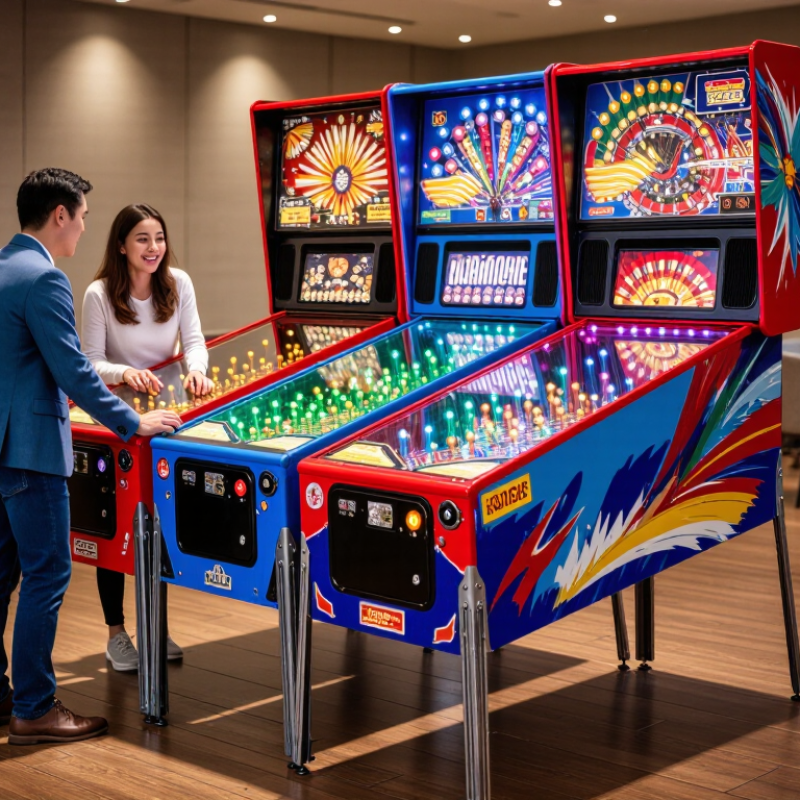
Pinball machines can turn unused floor space into an active customer area. Their lights, sounds, and physical controls invite interaction without lengthy explanations. In a café, bar, hotel lounge, or family venue, one machine creates a memorable pause between purchases. Customers may stay longer when an activity gives them something to do. Longer visits can support additional food, drink, or merchandise sales. Results still depend on pricing, placement, and audience. It is not a magic revenue button.
A well-placed machine can improve the atmosphere and reduce perceived waiting time. It gives guests a clear activity and encourages friendly competition. Staff should track plays, peak hours, and maintenance calls for several weeks. These records show whether the machine earns its floor space. Choose durable equipment, schedule inspections, and keep the controls clean. Safety matters too. Leave generous clearance around the cabinet and follow local electrical and accessibility requirements.
Pinball can support repeat visits through visible challenges and lawful score-based events. Keep rules clear, prizes modest, and promotions transparent. From practical observation, machines perform best where customers can see them easily. Noise must remain manageable. Some businesses misjudge this balance. A loud machine near a quiet dining area may discourage longer stays. Review customer comments and move it when needed. The investment includes delivery, repairs, electricity, and floor space. A cautious trial period can reveal weak demand before expansion. That restraint is useful.
Why Choose Pinball Machines for Your Business?
How Pinball Machines Improve Customer Engagement
A pinball machine can turn waiting time into active entertainment. Customers hear the ball strike the targets and often become curious. That small burst of sound can start conversations between strangers. In cafés, lounges, and family venues, shared play creates a more memorable visit. Players also tend to stay longer when they have a clear, enjoyable activity. Longer visits may support additional purchases, but results depend on pricing, layout, and audience interests. It is not a magic solution.
From a practical business perspective, placement matters greatly. Put the machine where customers can see it without blocking walkways. Keep the controls clean, the lighting comfortable, and the instructions easy to understand. Regular maintenance protects the playing experience and reduces avoidable frustration. A reliable machine also communicates care and professionalism. However, some visitors may find the sounds distracting. That concern deserves attention, not dismissal.
Tips: Track play frequency, peak hours, and customer comments for several weeks. Offer simple challenges, such as improving a personal score. Keep rewards modest and transparent. Leave enough space for players and observers. Test different locations before making a permanent decision. One weakness remains: pinball may attract enthusiasts more strongly than quiet customers. Balance it with seating, conversation space, and other low-noise activities.
Choosing a pinball machine for a business starts with the room, not the cabinet. Measure doorway width, floor loading, queue space, and sightlines before comparing prices. A busy family venue needs durable controls, bright visibility, and rules that new players understand quickly. A bar may value longer sessions, quieter operation, and lighting that suits the atmosphere. This distinction matters.
Grand View Research’s 2024 Arcade Games Market report forecasts a 4.8% compound annual growth rate through 2030. Its figures cover arcade games broadly, not pinball alone. Still, they support the demand for interactive, out-of-home entertainment. The 2024 Theme Index from TEA and AECOM recorded about 243.6 million visits across the world’s top theme parks in 2023. That scale shows how strongly people still pay for shared experiences.
Test shortlisted machines during your busiest hours. Watch abandoned games, repeated play, noise, and repair delays. A machine can look impressive and still interrupt customer flow. Track plays, downtime, cleaning time, and average spending for four weeks. Then compare revenue against floor space and maintenance costs.
I once underestimated service access, and a simple repair became an awkward customer-facing job. That mistake changed my selection criteria.
Choose replacement parts that are easy to source, controls that staff can inspect, and software with clear settings. Do not trust optimistic payback estimates. Real traffic is uneven. Some weeks disappoint. A smaller, reliable machine may outperform a larger one that frequently waits for service.
Pinball machines can create a strong visual anchor in cafés, hotels, bars, and family entertainment venues. Their footprint is modest, but planning must include player movement and service access. A typical cabinet may need about 9–12 square feet, including standing clearance. That estimate varies by model. It should never replace an on-site measurement.
The 2010 ADA Standards for Accessible Design require accessible routes to be at least 36 inches wide. They also specify a 60-inch turning space in applicable areas. Keep one clear route beside the machine, not just in front of it. Crowded layouts can reduce play time and create avoidable safety concerns. EIA’s 2018 Commercial Buildings Energy Consumption Survey identifies electricity as roughly 60% of commercial building site energy use. Measure standby consumption instead of guessing. A grounded outlet is essential, while circuit capacity should be verified by a qualified electrician.
Maintenance is usually practical but not effortless. Operators should schedule playfield cleaning, rubber-part checks, lamp or display inspections, and periodic leveling. Dust gathers under the cabinet. Small faults can become customer complaints quickly. Keep a service gap behind or beside the machine. That detail is often missed. Preventive checks may protect uptime better than emergency repairs, although the return depends on foot traffic and usage. Recording weekly plays, faults, and energy readings creates better evidence for renewal decisions than relying on memory.
Why Choose Pinball Machines for Your Business?
A pinball machine can create more than visual interest. It can encourage longer visits, repeat play, and casual conversations between customers. Measure its value over time, not after one busy weekend. Track plays, revenue, operating hours, and nearby sales. A simple weekly spreadsheet is often enough. Record the machine’s location, daily income, repair costs, and customer traffic. These details reveal whether the machine earns money or only occupies space.
Customer value matters as much as direct revenue. Compare repeat visits before and after installation. Check whether players purchase drinks, meals, or other services during longer stays. A redemption code or short survey can connect play sessions with spending habits. Results may look uneven. That is normal. Weather, local events, and machine downtime can distort one month’s figures. Review at least eight to twelve weeks before making a major decision. I have found that small data gaps can change the entire picture.
Tips: Set a clear baseline before installation. Photograph the area and note average daily sales. Review performance every week, then compare monthly patterns. Keep maintenance records beside revenue data. A machine that earns less but attracts loyal visitors may still provide strong customer value. However, that assumption needs evidence. Ask customers directly. Improve the placement when traffic feels weak. Test again.
„Thanks to the LUVIR technology, the solder resist process could be switched directly from the previously used mask exposure to direct exposure. As an outstanding digital solution on the market, this technology has been able to demonstrate fast process times and superior quality on our certified conventional ink in production. This allowed us to fully digitize the solder mask process at low cost – without process or ink adjustments. An excellent benefit to our production in Rot am See.“
Ralf Göhringer (Head of Production WE Rot am See)
I would definitely recommend the Limata machine and team for a future company purchase
Michael Greenaway
Compunetics Inc.
“The Limata ldi has been amazing!! Best thing we did was buy this machine”
Richard Brady
GM
Circuitlabs
“Since 2019, we have been running the Limata X1000 LDI system (including LUVIR for solder mask imaging) in daily production as an addition to our current process with film. The machine was capable of properly exposing Taiyo PSR-4000 BN (DI) solder mask types on normal to high-copper boards using a new and unique direct imaging process. The machine operating interface is very user friendly which allowed for a quick technical training curve. The pre-registration processing reduced several seconds of production time at every print. Limata support and service staff is incomparable. They supported our team every step of the way at basically any time of the day or night, with literally, an immediate response time, customizing the software interface to best fit our Operations and needs.
We have exposed more than 8,000 prints since end of October, on various solder mask colors and some resist film panels. Limata, has proven to be very capable and innovative. They are a strong contender in the industry.
We have very much enjoyed this project, and working with the team!
Thank you Limata for the continued support and being a part of our growth.”
Bill Sezate
Vice President, GM
Summit Interconnect
As a replacement to our current contact exposure process with film, the LIMATA X2000 system including LUVIR-Technology was capable of properly exposing non-LDI solder mask types using a direct imaging process. The machine offers cutting edge software with a very intuitive operating interface which allowed for quick technician training curve. The dual drawer system combined with pre-registration processing reduced several seconds of production time at every machine cycle. Limata support and service staff is world class. They added software patches to keep production running at shortest possible response times, customized the software interface to best fit our in-house Operations system, and even wrote a step-by-step machine processing manual. As a result of the project, we have exposed more than 16,000 times on various product types and solder mask brands/colors. Limata, in a very short timeframe as a company, has definitely shown they are truly innovative and will be challenging the industry of direct imaging for the top spot.
Kevin Beattie
Process Engineer
TTM Technologies
Forest Grove Division
