In the fast-paced world of material handling, efficiency is key. Experts agree that choosing the right equipment can significantly impact productivity. John Smith, a leading specialist in conveyor systems, states, “Spiral Conveyors revolutionize how we think about vertical transport.” This perspective highlights the transformative role of Spiral Conveyors in modern logistics.
Spiral Conveyors offer a unique solution for businesses aiming to optimize their space and streamline their operations. They not only save floor space but also ensure products are transported smoothly between different levels. Imagine a busy warehouse where products glide up and down seamlessly, eliminating bottlenecks. Such efficiency is not just desirable; it's essential.
However, not all Spiral Conveyors are created equal. Some may face design limitations or speed inconsistencies. It is vital for companies to consider their specific needs and installation conditions. Reflection on these factors is crucial before making a decision. Balancing these elements can lead to smarter material handling solutions that ultimately enhance overall business performance.
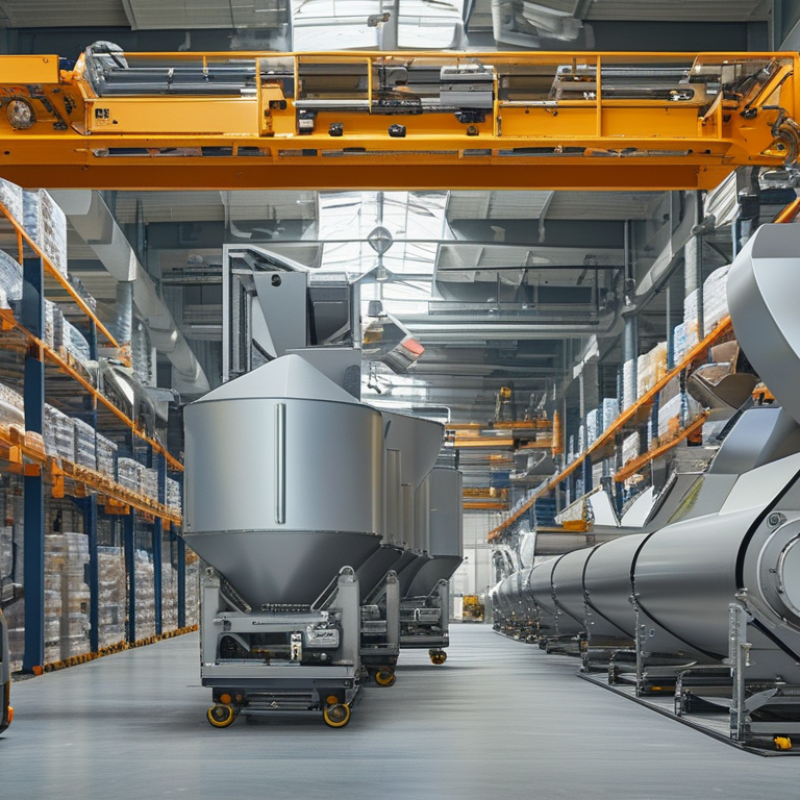
Spiral conveyors are becoming increasingly popular in material handling systems. Their unique design allows for efficient vertical movement of products. This is especially beneficial for warehouses with limited floor space. These conveyors can carry items upwards or downwards while maintaining a compact footprint. This feature saves valuable space and ensures a streamlined workflow.
One major benefit of spiral conveyors is their ability to handle a variety of products. They can manage boxes, pallets, and even bulk materials. This versatility eliminates the need for multiple handling systems. Additionally, they are designed to reduce product damage during transportation. The gentle movement minimizes jostling, keeping items safe and intact.
Consider the layout of your facility before installation. The angle and height of the spiral conveyor can impact efficiency. Proper planning can help prevent bottlenecks in your operations. It’s important to think about the weight limits of the conveyor. Not all spiral conveyors can handle heavy loads. Monitoring these factors can lead to a more effective material handling system. Regular maintenance is also key. Check for wear and tear to ensure longevity and optimal performance.
Spiral conveyors offer unique advantages in material handling that can significantly enhance operational efficiency. Their compact design allows for vertical and horizontal transport in limited spaces, which is crucial in high-density cross-docking or distribution centers. According to a report from the Material Handling Industry of America, 70% of businesses face challenges with floor space utilization. Spiral conveyors help alleviate this issue by efficiently utilizing vertical space.
One key feature of spiral conveyors is their continuous operation capability. They are designed to run 24/7, facilitating smooth and uninterrupted workflow. Businesses can enjoy increased throughput and reduced labor costs. A study by Gartner indicates that automation and continuous transportation systems can lead to a 20% increase in efficiency. However, maintenance should not be overlooked. Regular inspections are necessary to ensure optimal performance and prevent costly downtime.
Spiral conveyors also improve product handling by minimizing product damage. Their gentle conveying action prevents shifting and dropping of fragile items. This feature is particularly beneficial in industries like food production, where product integrity is crucial. Nonetheless, proper training for staff is vital, as improper loading can lead to mechanical issues. The investment in spiral technology should consider both benefits and potential pitfalls to fully capitalize on its efficiency.
Spiral conveyors are becoming essential in various industries, particularly in material handling. Their unique design allows products to be transported vertically or horizontally, saving space and improving efficiency. In warehouses, for example, spiral conveyors help move goods between different floors, reducing manual labor and increasing productivity.
In the food industry, spiral conveyors excel at handling different types of products. They can transport items like packaged snacks or fresh produce, maintaining proper spacing to avoid damage. Their hygienic design minimizes contamination risks, crucial for meeting health standards. However, regular maintenance is necessary to ensure smooth operation and longevity.
For those considering spiral conveyors, understanding your specific needs is vital. Evaluate the type of products you will handle. Make sure to consider factors like weight and size. Also, assess the available space for installation. Balancing these elements will enhance the effectiveness of your material handling solutions.
When evaluating conveyor systems, it is essential to compare spiral conveyors with other types. Spiral conveyors stand out due to their vertical transport capabilities. This design enables them to occupy a smaller footprint, making them ideal for space-constrained environments. Unlike traditional belt conveyors, they can move products seamlessly between different elevations. This ability is particularly valuable in warehouses and production facilities.
In contrast, flat belt conveyors are linear and require more horizontal space. They are excellent for transporting items over long distances but often struggle with height variations. Similarly, modular belt conveyors, while flexible, often cannot compete with the compact design of spiral systems. Space-saving design fosters efficiency, something that flat systems may lack.
It’s important to also consider load capacity and speed. Spiral conveyors can handle a variety of products, from small packages to heavy loads. However, they may not be as fast as linear conveyors. This mismatch can lead to bottlenecks in some scenarios. In certain cases, the initial investment in a spiral system may seem higher. Yet, when considering the long-term efficiency and space savings, the choice becomes clearer. Balancing speed, capacity, and available space is crucial in finding the right conveyor solution for specific needs.
When selecting spiral conveyors for material handling, there are several key factors to consider. First, analyze your space constraints. Spiral conveyors utilize vertical space effectively, making them ideal for facilities with limited floor area. According to industry reports, businesses can save up to 35% in footprint by integrating spiral systems compared to traditional conveyors.
Next, evaluate the type of materials being handled. Different materials require different handling methods. For instance, delicate products may need gentler handling. Studies indicate that improper handling can lead to a 20% increase in damage rates, impacting overall operational efficiency. Ensure the conveyor system you choose can accommodate the weight, size, and fragility of your products.
Another critical factor is the potential for future scalability. As your operations grow, your material handling systems should adapt accordingly. A well-designed spiral conveyor can handle increased volume by efficiently managing product flow. However, implementing a system that cannot keep pace leads to bottlenecks and inefficiencies, which are costly. Balancing current needs with future growth is vital in making your decision.
„Thanks to the LUVIR technology, the solder resist process could be switched directly from the previously used mask exposure to direct exposure. As an outstanding digital solution on the market, this technology has been able to demonstrate fast process times and superior quality on our certified conventional ink in production. This allowed us to fully digitize the solder mask process at low cost – without process or ink adjustments. An excellent benefit to our production in Rot am See.“
Ralf Göhringer (Head of Production WE Rot am See)
I would definitely recommend the Limata machine and team for a future company purchase
Michael Greenaway
Compunetics Inc.
“The Limata ldi has been amazing!! Best thing we did was buy this machine”
Richard Brady
GM
Circuitlabs
“Since 2019, we have been running the Limata X1000 LDI system (including LUVIR for solder mask imaging) in daily production as an addition to our current process with film. The machine was capable of properly exposing Taiyo PSR-4000 BN (DI) solder mask types on normal to high-copper boards using a new and unique direct imaging process. The machine operating interface is very user friendly which allowed for a quick technical training curve. The pre-registration processing reduced several seconds of production time at every print. Limata support and service staff is incomparable. They supported our team every step of the way at basically any time of the day or night, with literally, an immediate response time, customizing the software interface to best fit our Operations and needs.
We have exposed more than 8,000 prints since end of October, on various solder mask colors and some resist film panels. Limata, has proven to be very capable and innovative. They are a strong contender in the industry.
We have very much enjoyed this project, and working with the team!
Thank you Limata for the continued support and being a part of our growth.”
Bill Sezate
Vice President, GM
Summit Interconnect
As a replacement to our current contact exposure process with film, the LIMATA X2000 system including LUVIR-Technology was capable of properly exposing non-LDI solder mask types using a direct imaging process. The machine offers cutting edge software with a very intuitive operating interface which allowed for quick technician training curve. The dual drawer system combined with pre-registration processing reduced several seconds of production time at every machine cycle. Limata support and service staff is world class. They added software patches to keep production running at shortest possible response times, customized the software interface to best fit our in-house Operations system, and even wrote a step-by-step machine processing manual. As a result of the project, we have exposed more than 16,000 times on various product types and solder mask brands/colors. Limata, in a very short timeframe as a company, has definitely shown they are truly innovative and will be challenging the industry of direct imaging for the top spot.
Kevin Beattie
Process Engineer
TTM Technologies
Forest Grove Division
